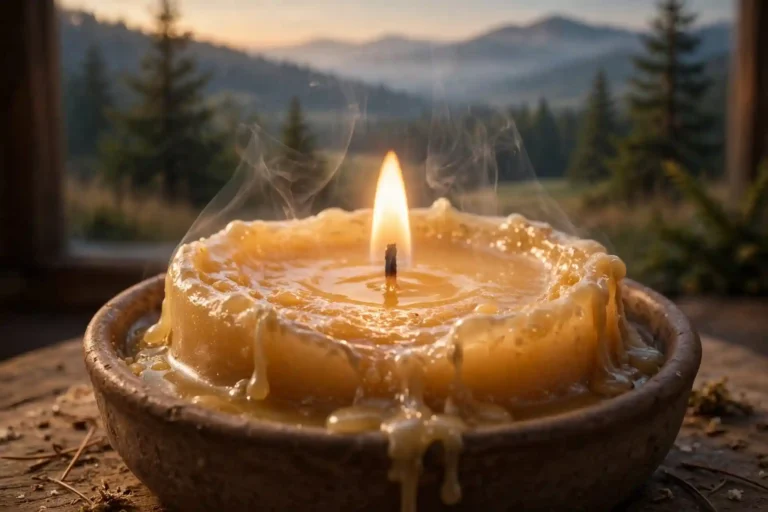
Can Candle Wax Be Reused? Everything You Need to Know

If you’ve ever stared at a candle jar with just a stubborn puddle of wax left at the bottom, you’ve probably wondered: is this actually useless now, or can I do something with it?
The good news is that candle wax is one of the most reusable household materials out there.
Instead of tossing that leftover wax in the trash, you can melt it down and give it a whole new life. Let’s break down how it works, what to watch out for, and some creative ways to reuse it.
The Short Answer: Yes, You Can Reuse Candle Wax
Candle wax doesn’t lose its basic properties just because it’s been burned once. Whether it’s soy, paraffin, beeswax, or a blend, the leftover wax can almost always be melted down and repurposed into a new candle, wax melt, or even used for other household projects.
The only thing that truly “uses up” wax is when it’s fully burned away as fuel for the flame. Everything that’s left in the container is still good material.
Why People Reuse Candle Wax
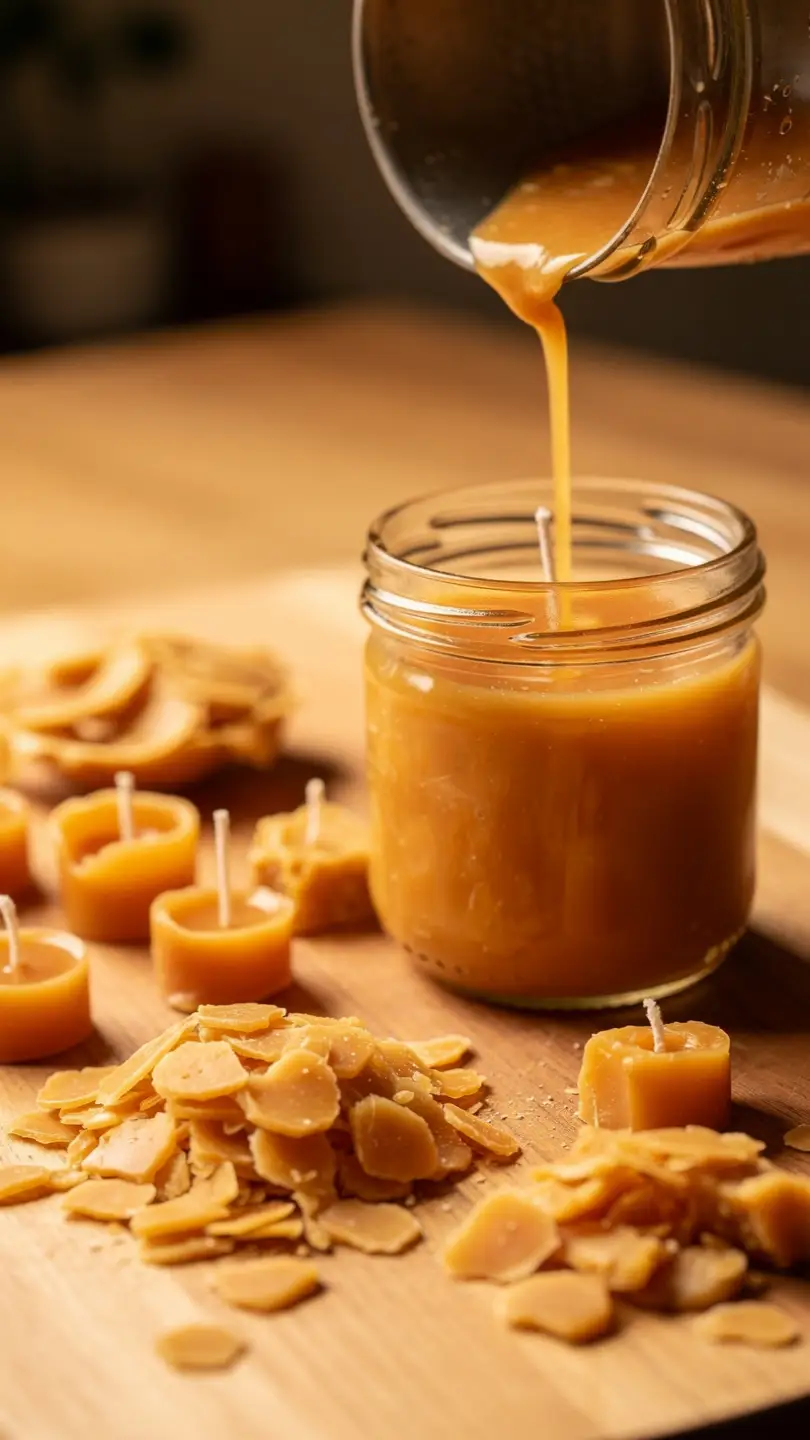
There are a few solid reasons people choose to reuse wax instead of throwing it out:
- It saves money. Buying fresh wax for every project adds up, especially if you make candles as a hobby.
- It reduces waste. Wax doesn’t biodegrade quickly, so keeping it out of landfills is a small but meaningful eco-friendly habit.
- It’s genuinely simple. You don’t need fancy equipment or skills to melt and reuse wax at home.
How to Reuse Candle Wax Safely
Reusing wax is a straightforward process, but a little care goes a long way toward getting good results.
1. Remove the Old Wick and Debris
Before melting anything, pick out the old wick, any wick tabs, and bits of dried flowers or decorations that might have been embedded in the candle. These won’t melt properly and can affect how your new candle burns.
2. Melt the Wax Using a Double Boiler
The safest way to melt wax at home is using a double boiler setup: place a heatproof bowl or an old pot over a pot of simmering water.
Never melt wax directly over an open flame or in a microwave for long periods, since wax is flammable and can ignite if it gets too hot.
3. Strain Out Impurities
Once melted, pour the wax through a fine mesh strainer or cheesecloth to catch any leftover debris, dust, or wick remnants. This step makes a noticeable difference in how clean your new candle looks and burns.
4. Pour Into a New Container or Mold
After straining, pour the wax into a new jar, tin, or silicone mold. Add a new wick, let it cool completely, and you’ve got a brand-new candle from what used to be scraps.
Mixing Different Types of Wax
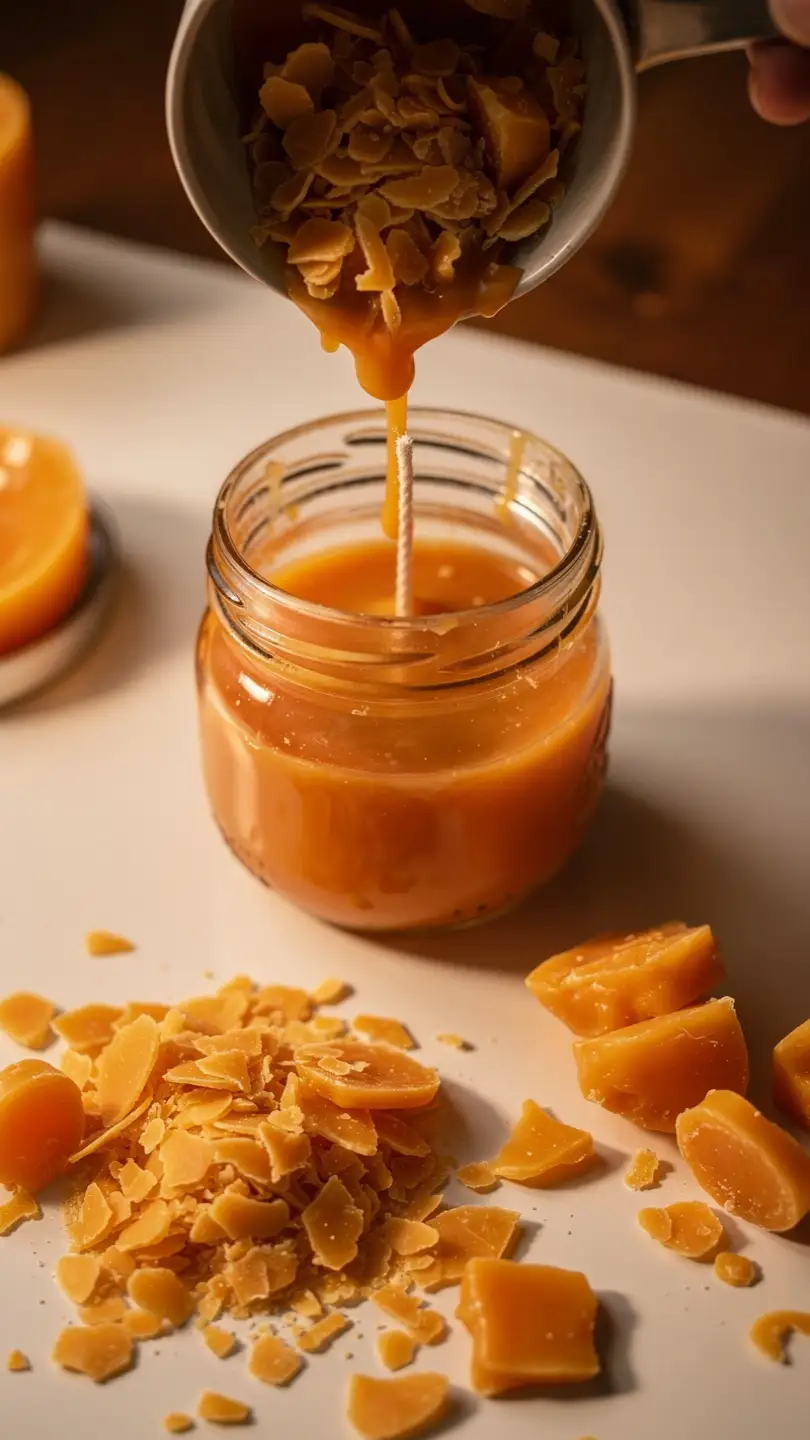
One common question is whether you can combine wax from different candles. In most cases, yes, you can mix paraffin with paraffin, or soy with soy, without any issues.
Mixing different wax types, like soy and beeswax, is also possible, but the results can vary in texture, scent throw, and burn quality.
If you’re experimenting, it helps to melt a small batch first and test how it performs before committing all your wax to one big project.
Creative Ways to Reuse Leftover Wax
Reused wax doesn’t have to go into another traditional candle. Here are some fun and practical alternatives:
- Wax melts: Pour reused wax into small molds to create wax melts for oil burners or warmers.
- Fire starters: Combine melted wax with dryer lint or small wood shavings for homemade fire starters, perfect for camping or fireplaces.
- Sealing wax: Small amounts of leftover wax can be used to seal jars, envelopes, or homemade preserves.
- Furniture polish: A tiny bit of natural wax like beeswax can be rubbed onto wooden furniture for shine and protection.
- Crafting projects: Reused wax works well for DIY candle-making classes, kids’ craft projects, or holiday decorations.
What to Avoid When Reusing Wax
While reusing wax is generally safe and easy, there are a few things to keep in mind:
- Don’t reuse wax that smells burnt or off. If the scent has turned unpleasant, it may not smell great in a new candle either.
- Avoid wax with heavy soot residue. Excess soot can mean incomplete combustion, and it’s best to strain thoroughly or avoid using overly sooty wax altogether.
- Watch your heating temperature. Overheating wax can degrade its quality and, more importantly, poses a fire risk.
Final Thoughts
Candle wax is far more reusable than most people realize. With just a double boiler, a strainer, and a bit of patience, that leftover wax sitting in an empty jar can become a brand-new candle, a cozy fire starter, or a handy craft material.
Not only does this save money over time, but it’s also a simple way to reduce household waste. So next time you’re about to toss an old candle, pause for a moment. There’s likely a second life waiting inside that wax.