Best Materials for DIY Craft Projects: A Simple Guide for Beginners

If you’ve ever stood in the craft aisle feeling overwhelmed by the sheer number of options, you’re not alone. From felt to foam board, choosing the right material can make or break your project — not just in how it looks, but in how much fun you have making it.
The good news? You don’t need a huge budget or years of experience to pick well. You just need to know what each material is good for.
This guide breaks down the most reliable, beginner-friendly materials for DIY crafting, so your next project turns out exactly how you imagined it.
Materials for DIY Craft
1. Paper and Cardstock
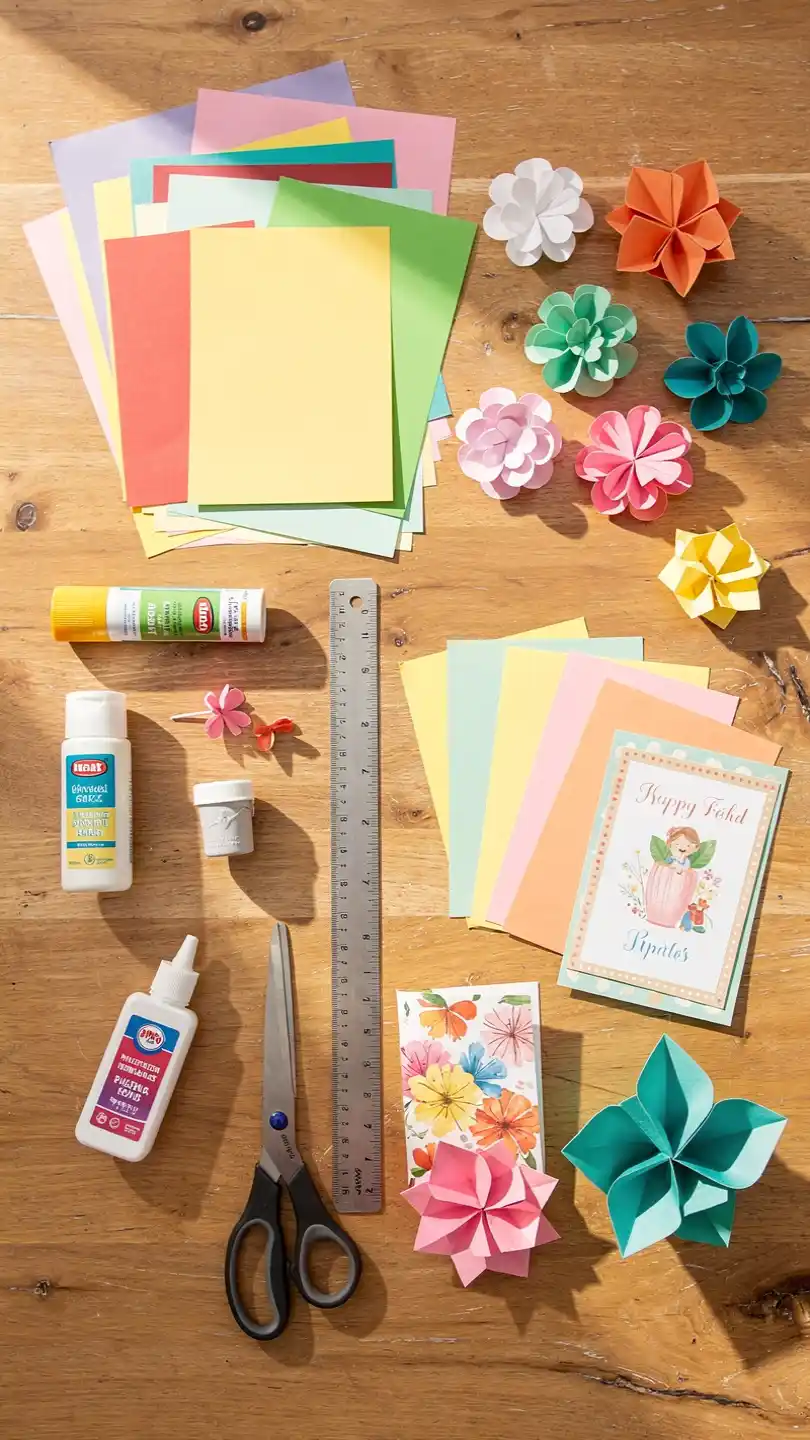
Paper is the classic starting point for a reason. It’s cheap, easy to find, and forgiving if you make a mistake.
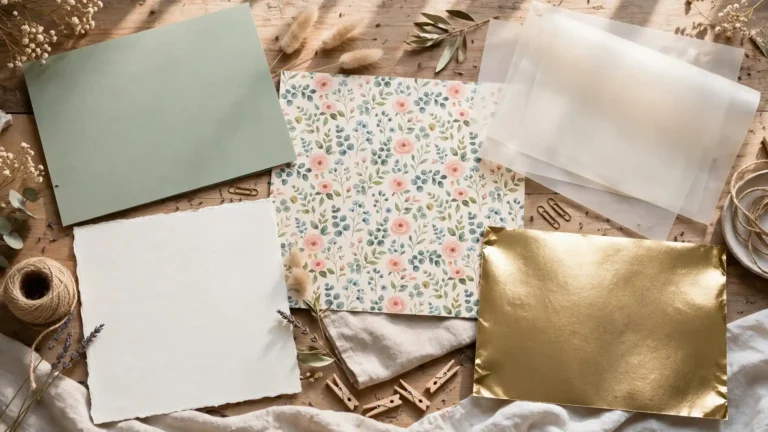
Cardstock, which is thicker and sturdier than regular printer paper, is perfect for greeting cards, scrapbooking, origami, and paper flowers. It holds its shape well and takes color beautifully, whether you’re using markers, paint, or ink stamps.
Best for: Cards, gift tags, paper crafts, journaling, kids’ projects.
Tip: Keep a mix of weights on hand — lightweight paper for folding and layering, heavier cardstock for anything that needs to stand upright.
2. Felt
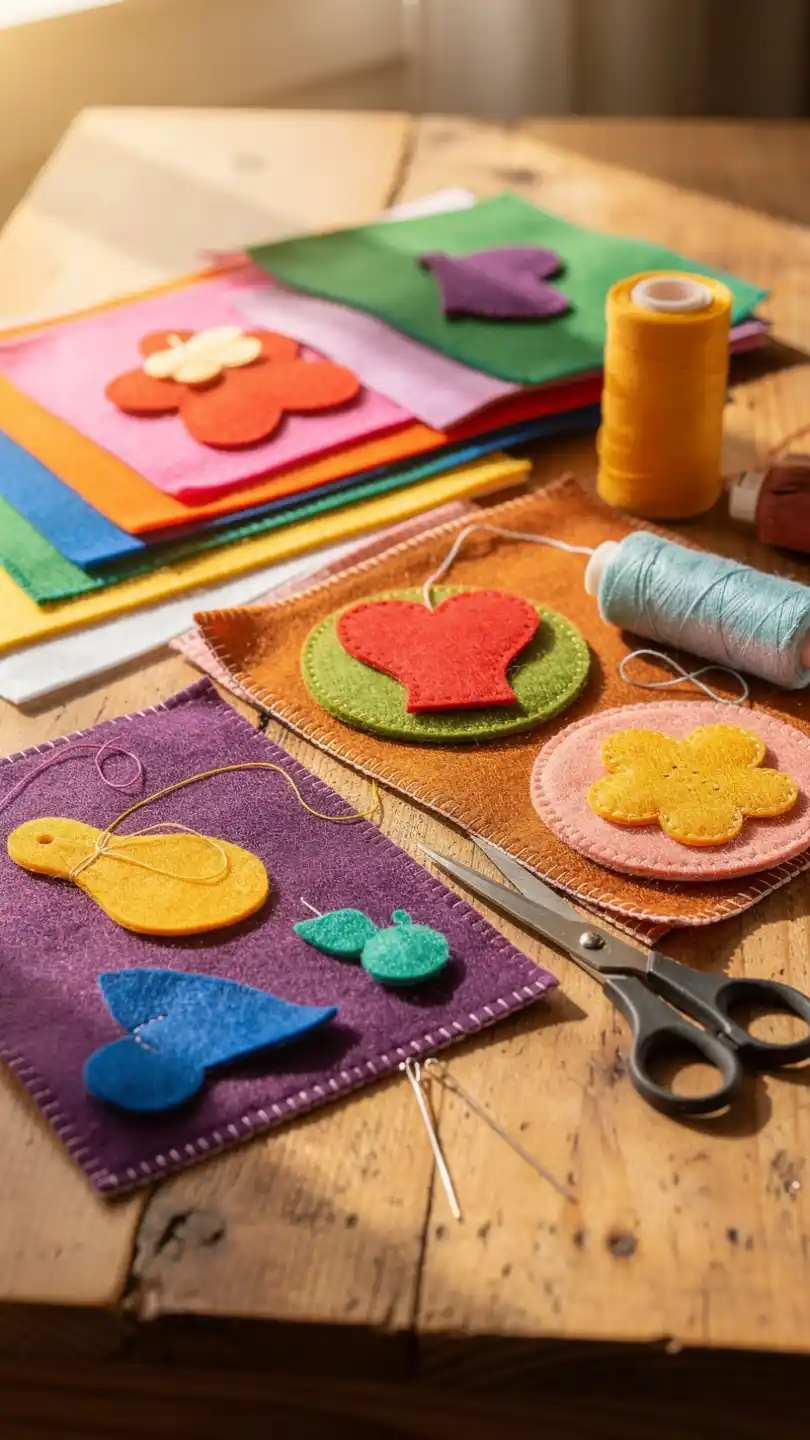
Felt is a soft, no-fray fabric that’s a favorite among beginner sewists and crafters alike. Because it doesn’t unravel at the edges, you can cut it into any shape without hemming or sealing. It’s commonly used for plush toys, ornaments, coasters, and simple appliqué work.
Best for: Stuffed animals, holiday decorations, sewing practice, kid-friendly projects.
Tip: Craft felt (the cheaper kind found in big sheets) is fine for practice, but wool-blend felt holds up much better for pieces you want to keep long-term.
3. Polymer Clay
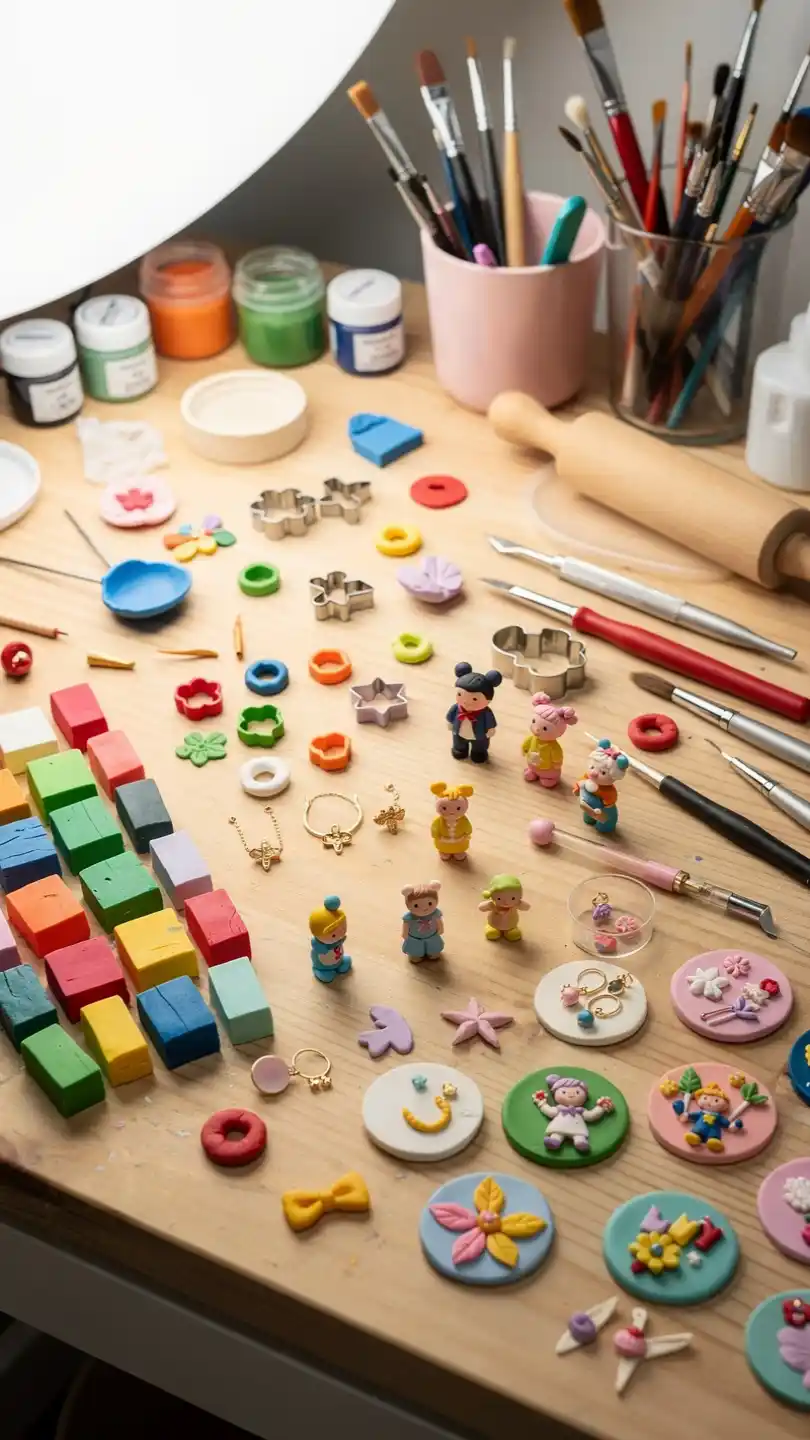
If you enjoy sculpting or making small decorative items, polymer clay is a fantastic material to explore.
It’s soft and pliable at room temperature, holds fine detail well, and hardens permanently once baked in a home oven. It’s widely used for jewelry, figurines, and decorative magnets.
Best for: Jewelry making, miniatures, sculpting, home décor accents.
Tip: Condition the clay by kneading it thoroughly before shaping — this removes air bubbles and prevents cracking after baking.
4. Wood (Craft Wood and Popsicle Sticks)
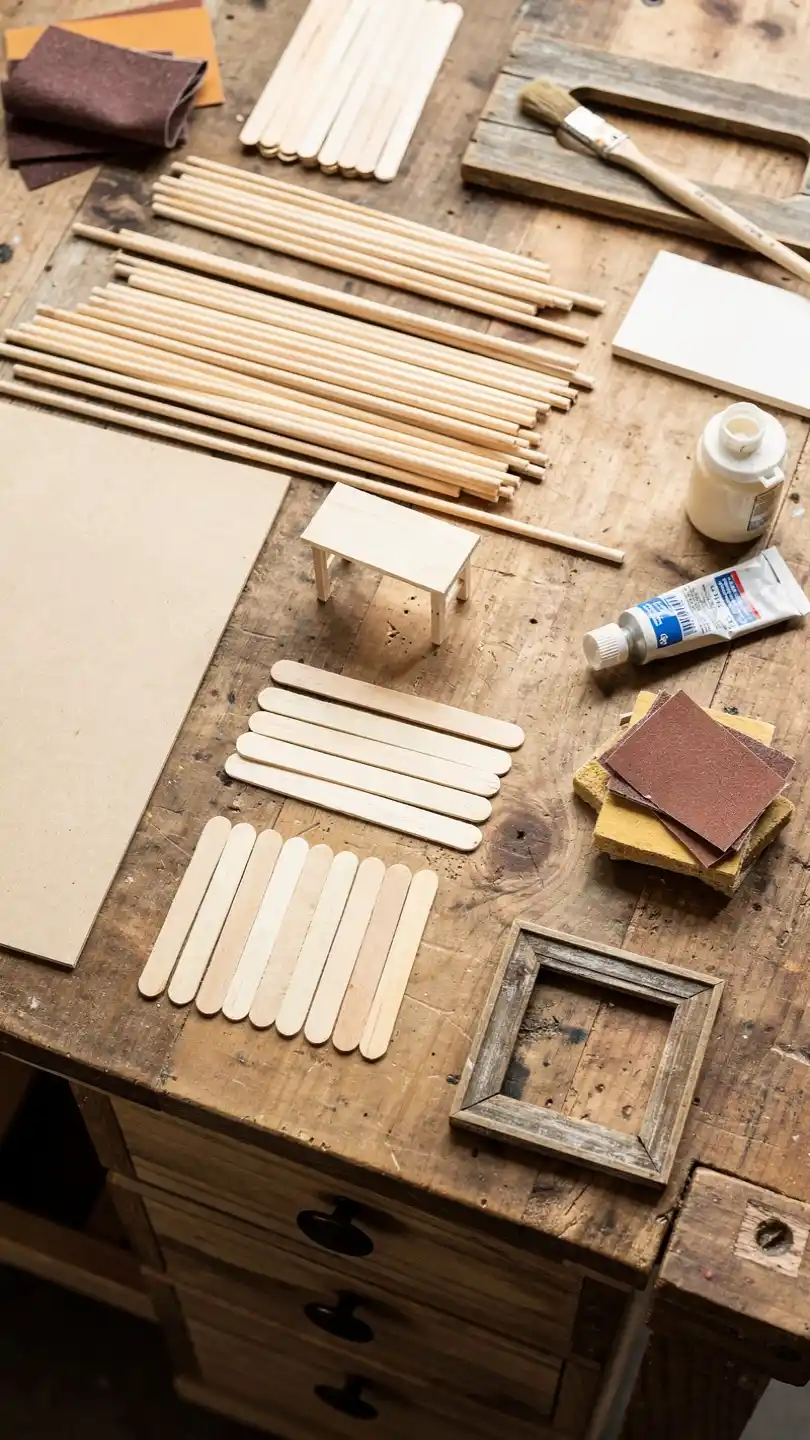
Wood adds a natural, rustic charm to any project, and you don’t need power tools to work with it.
Thin craft wood sheets, wooden dowels, and popsicle sticks are inexpensive, easy to cut, and simple to glue together. They’re a go-to for model building, picture frames, and small furniture-style projects.
Best for: Home décor, model building, kids’ STEM projects, rustic signage.
Tip: Sand rough edges lightly before painting for a smoother, more professional finish.
5. Fabric Scraps
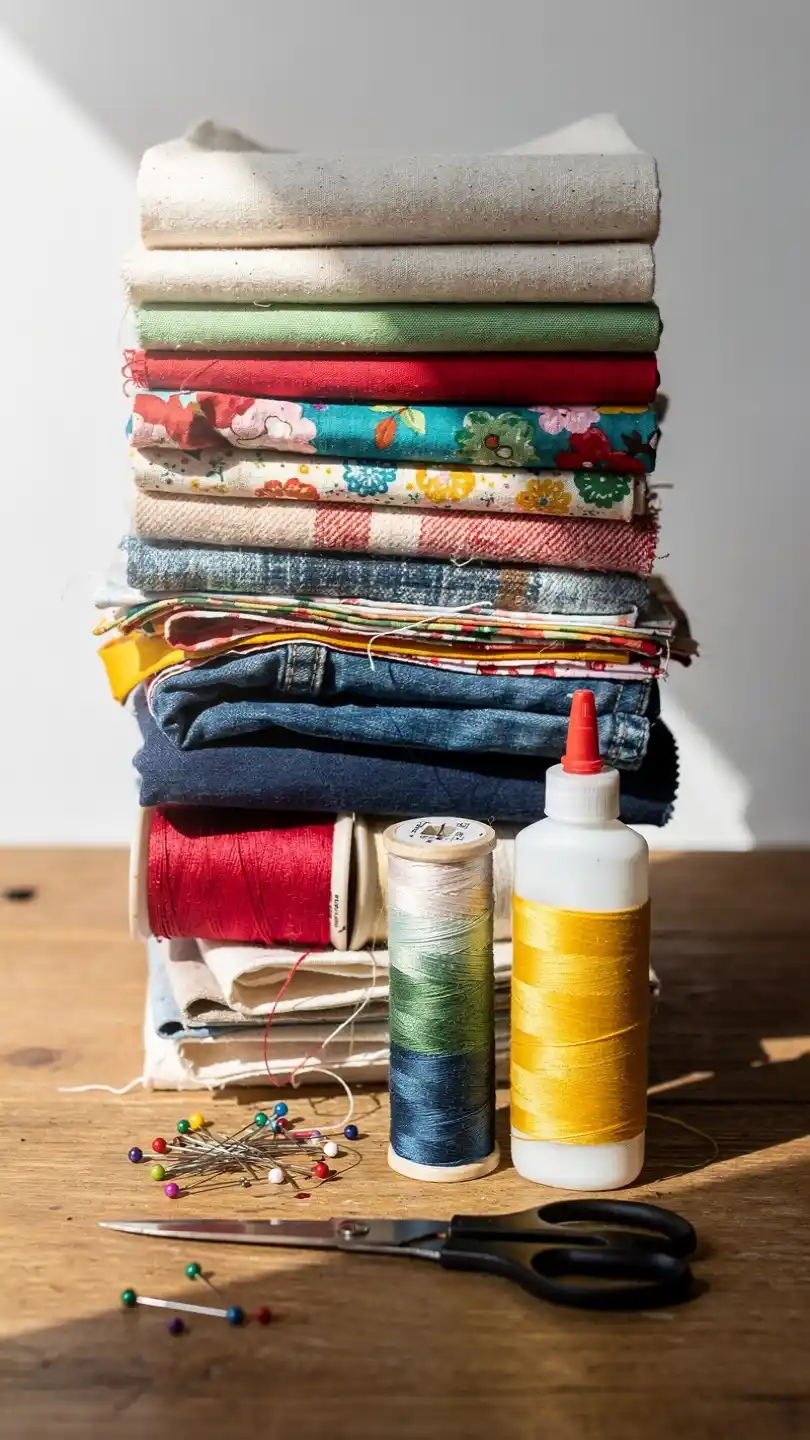
Fabric is incredibly versatile, and you don’t need to buy new material every time — leftover scraps from old clothes or bedding work great.
Cotton is the easiest fabric for beginners because it’s simple to cut, sew, and iron. Fabric is ideal for quilting, patchwork projects, tote bags, and no-sew crafts using fabric glue.
Best for: Sewing projects, patchwork, fabric wall art, reusable bags.
Tip: If you’re not ready to sew, fabric glue or an iron-on adhesive can hold pieces together just as well for simple projects.
6. Yarn and String
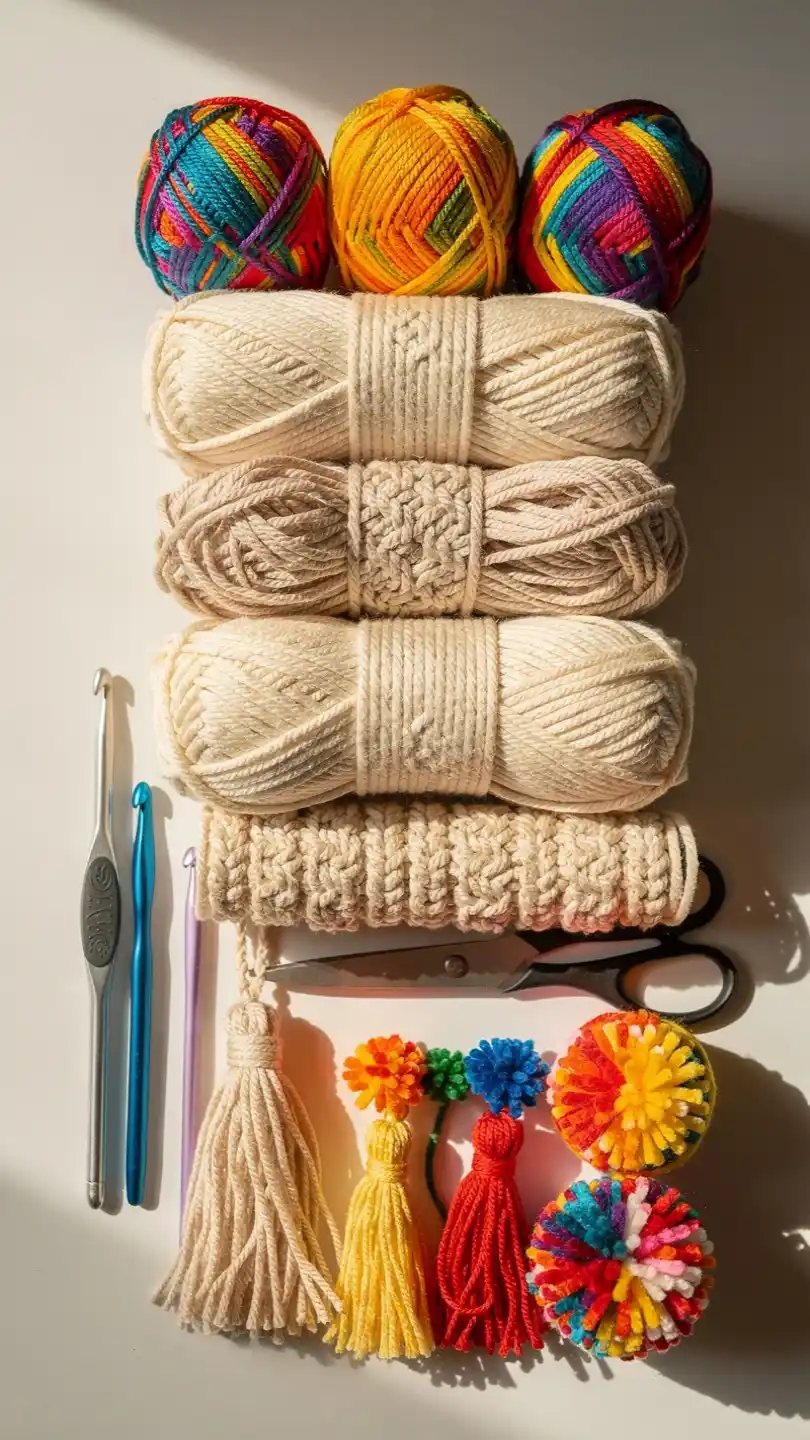
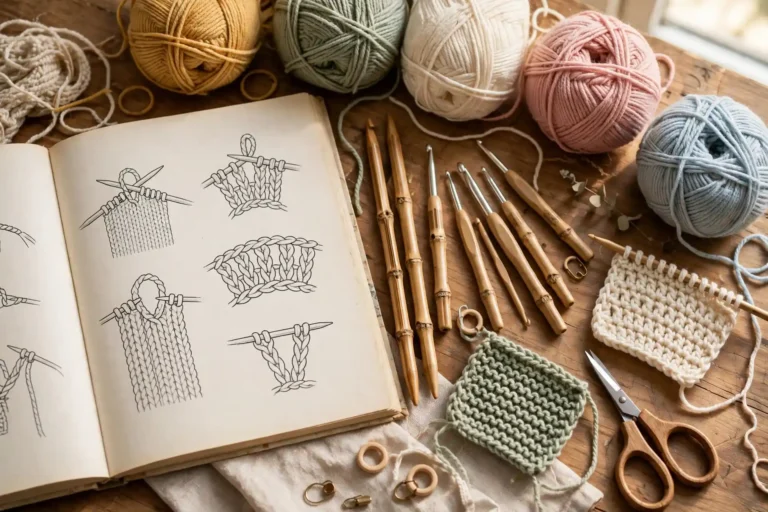
Yarn isn’t just for knitting and crocheting. It’s also widely used in macramé, tassel-making, wall hangings, and pom-pom crafts.
Acrylic yarn is budget-friendly and colorful, making it a great starting point, while cotton yarn offers a more polished, natural look for home décor projects.
Best for: Macramé, knitting, crochet, wall art, friendship bracelets.
Tip: Wind loose yarn into a ball before starting to avoid frustrating tangles mid-project.
7. Foam Board and Cardboard
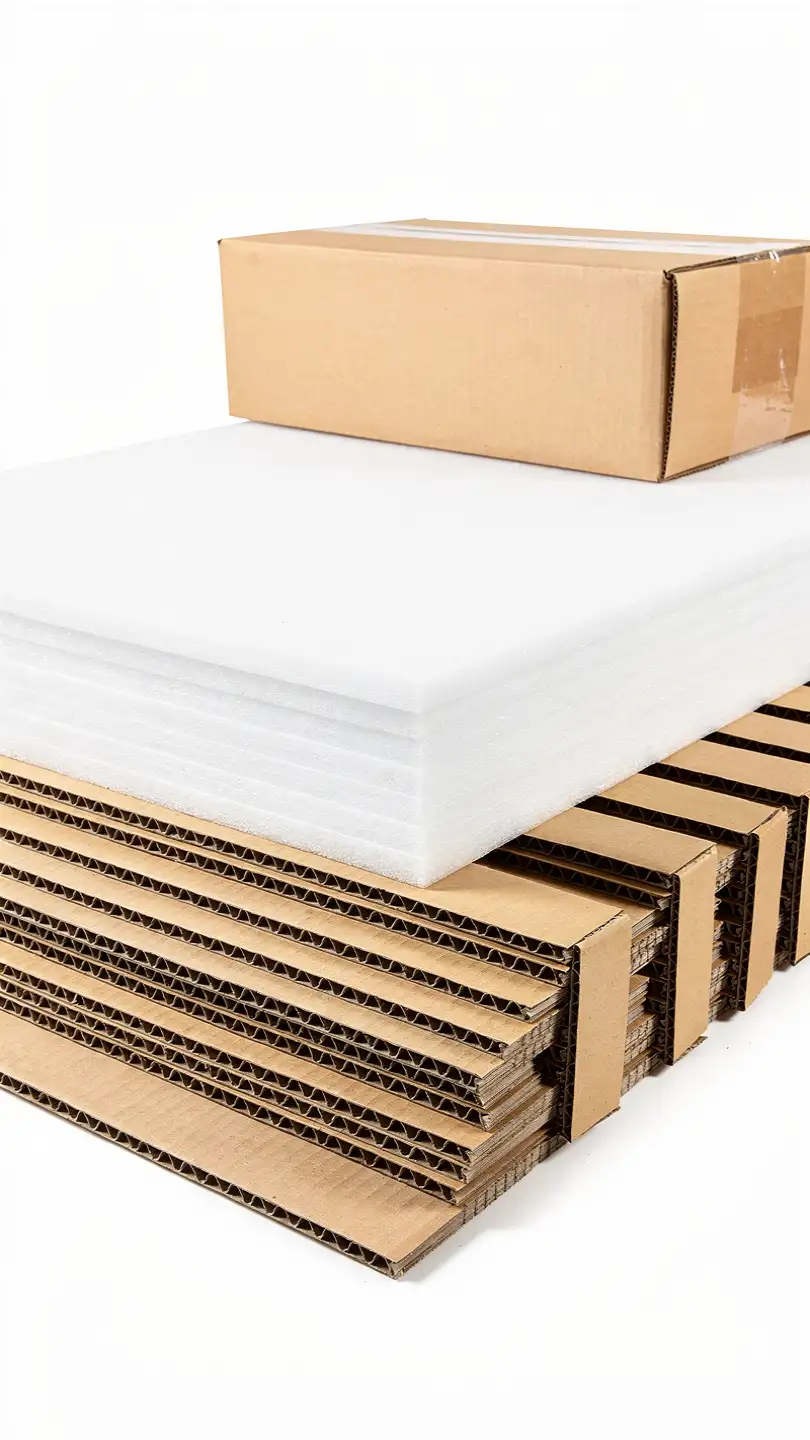
Sturdy, lightweight, and easy to cut, foam board and cardboard are perfect for building structures, displays, or backdrops.
They’re commonly used in school projects, dioramas, and even DIY organizers. Best of all, cardboard is often free — repurposed boxes work just as well as store-bought sheets.
Best for: Dioramas, storage boxes, display boards, structural builds.
Tip: A sharp utility knife and a metal ruler make cutting cardboard far cleaner and easier than scissors.
8. Beads and Charms
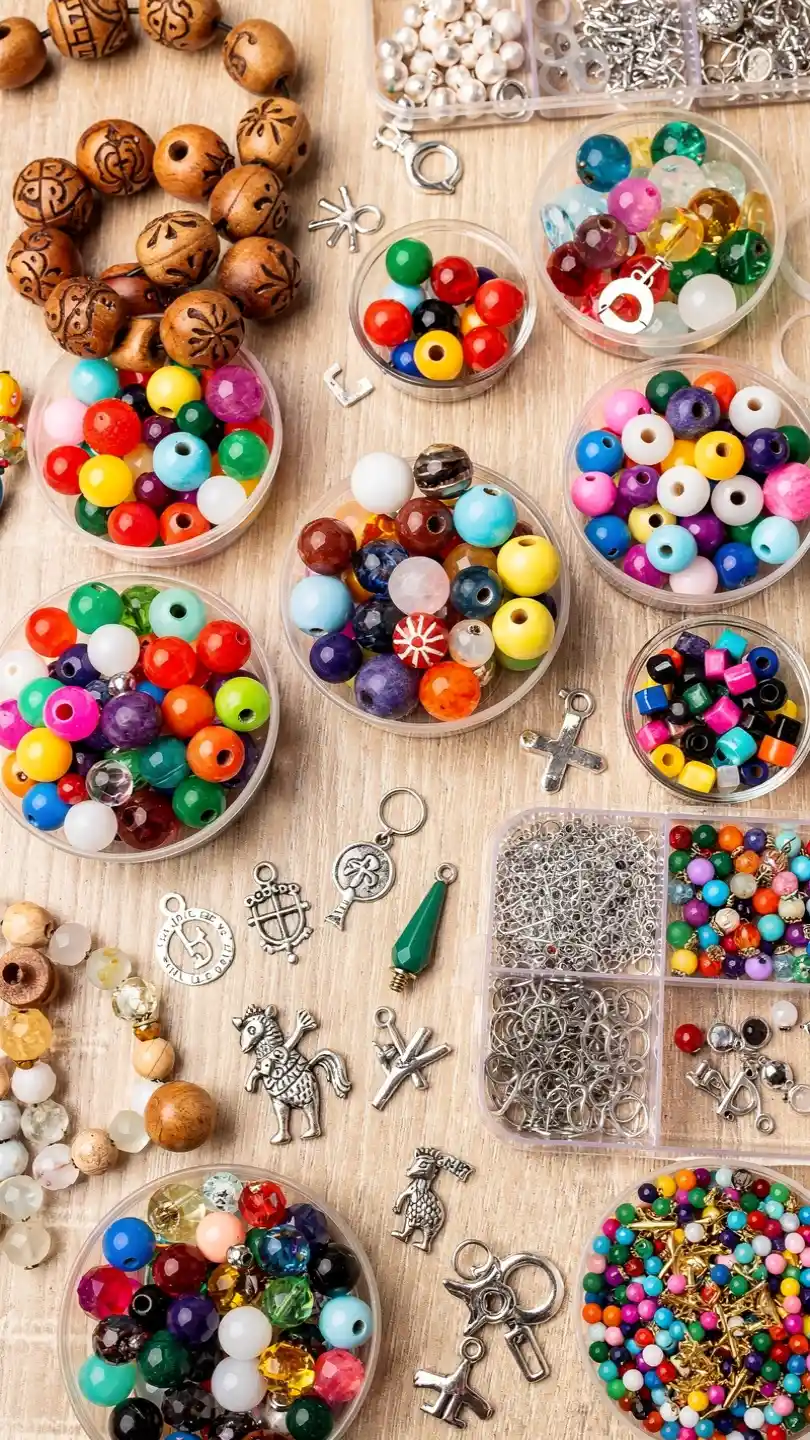
For anyone interested in jewelry making, a solid stash of beads, charms, and clasps opens up endless possibilities.
Glass, wood, and acrylic beads all offer different looks and price points, so you can experiment without overspending.
Best for: Necklaces, bracelets, keychains, embellishing other crafts.
Tip: Store beads in a compartmentalized container so you can see your options at a glance instead of digging through a bag.
Final Thoughts
The best material for your project depends on what you’re making, your skill level, and how much durability you need.
As a general rule, start with materials that are forgiving and inexpensive — paper, felt, and cardboard are excellent for building confidence before moving on to trickier materials like polymer clay or fabric sewing.
The most important part of any DIY project isn’t the material itself, but the willingness to experiment. Keep a small stock of a few versatile materials on hand, and you’ll always be ready when creative inspiration strikes.