Essential DIY Tools Every Beginner Needs

Starting your DIY journey can feel overwhelming when you walk into a hardware store and see endless rows of tools, gadgets, and equipment.
The truth is, you don’t need a garage full of expensive machinery to fix things around your home or start your first project.
A handful of reliable, well-made tools can help you handle 90% of common household tasks. Here’s a simple guide to the essential tools every beginner should own.
Essential DIY Tools
1. A Good Hammer
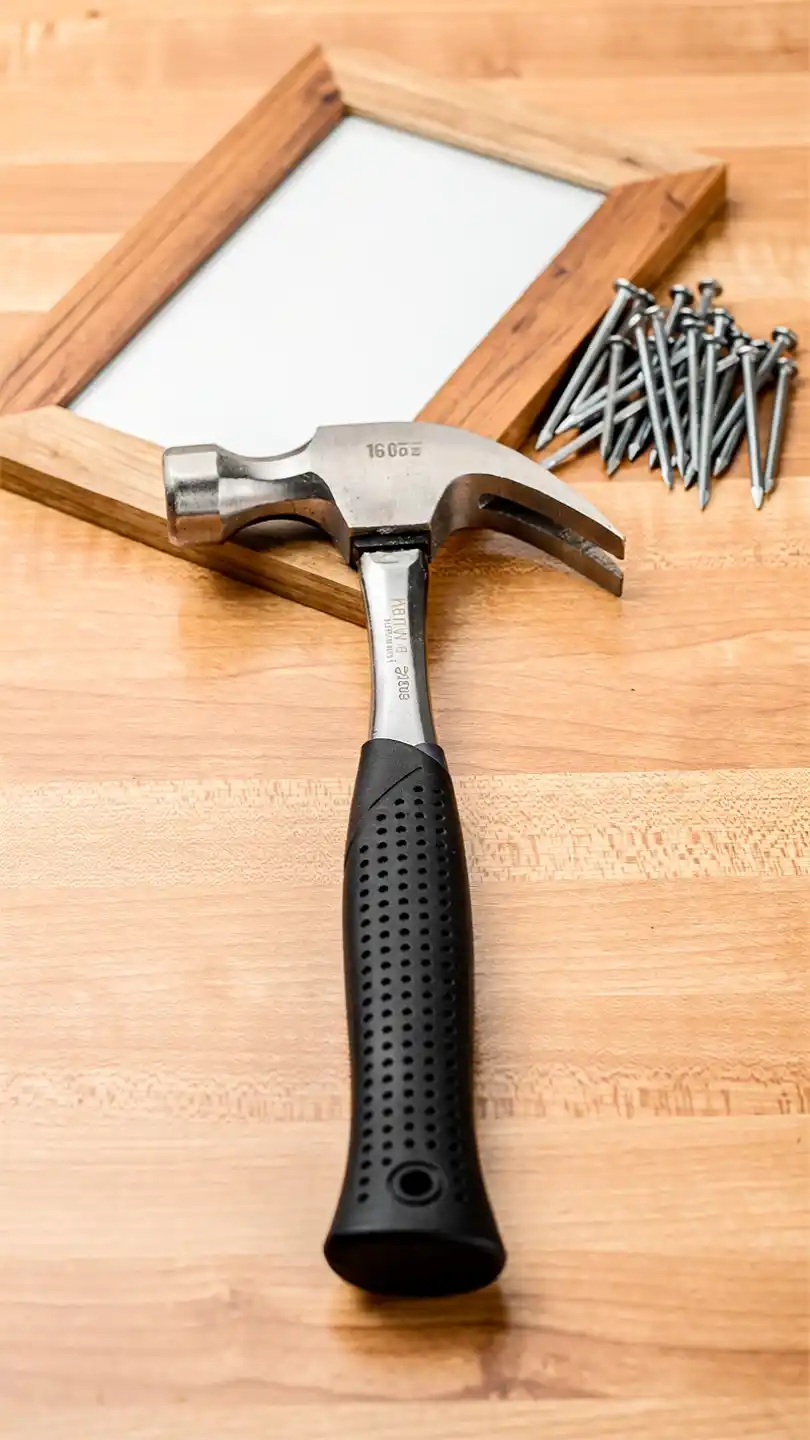
A hammer is the most basic tool in any toolkit, and for good reason. Whether you’re hanging a picture frame, assembling furniture, or removing an old nail, a hammer gets the job done.
For beginners, a 16-ounce claw hammer is ideal. The claw end is useful for pulling out nails, and the weight is manageable for most tasks without being tiring to use.
Tip: Choose a hammer with a comfortable rubber or wooden grip to avoid hand strain during longer projects.
2. Screwdriver Set
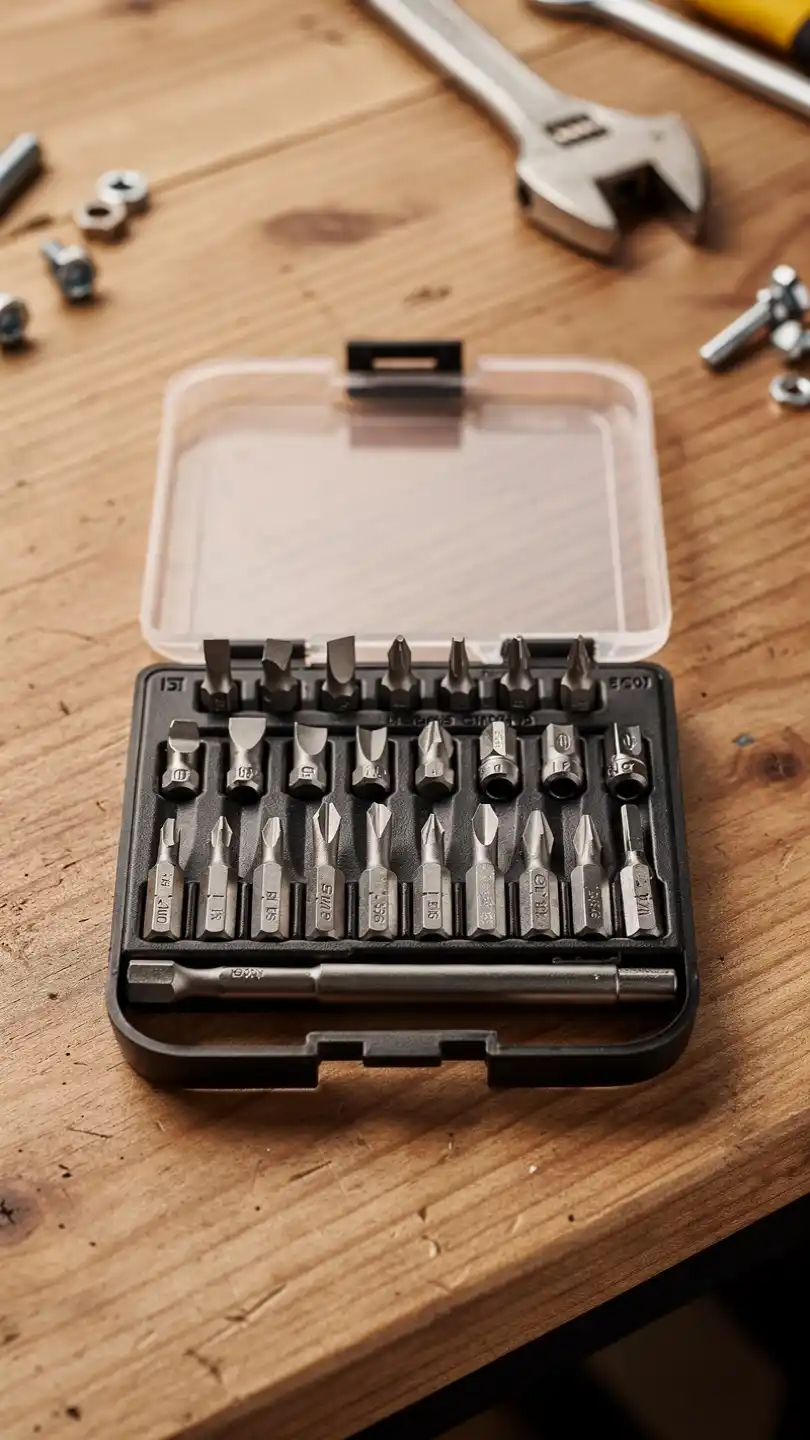
Screws are everywhere, from furniture assembly to electrical switch plates, and you’ll need both flathead and Phillips screwdrivers to handle them.
Instead of buying individual screwdrivers, invest in a multi-bit screwdriver set. These usually come with interchangeable heads in various sizes, saving space and money while covering nearly every screw type you’ll encounter.
3. Tape Measure
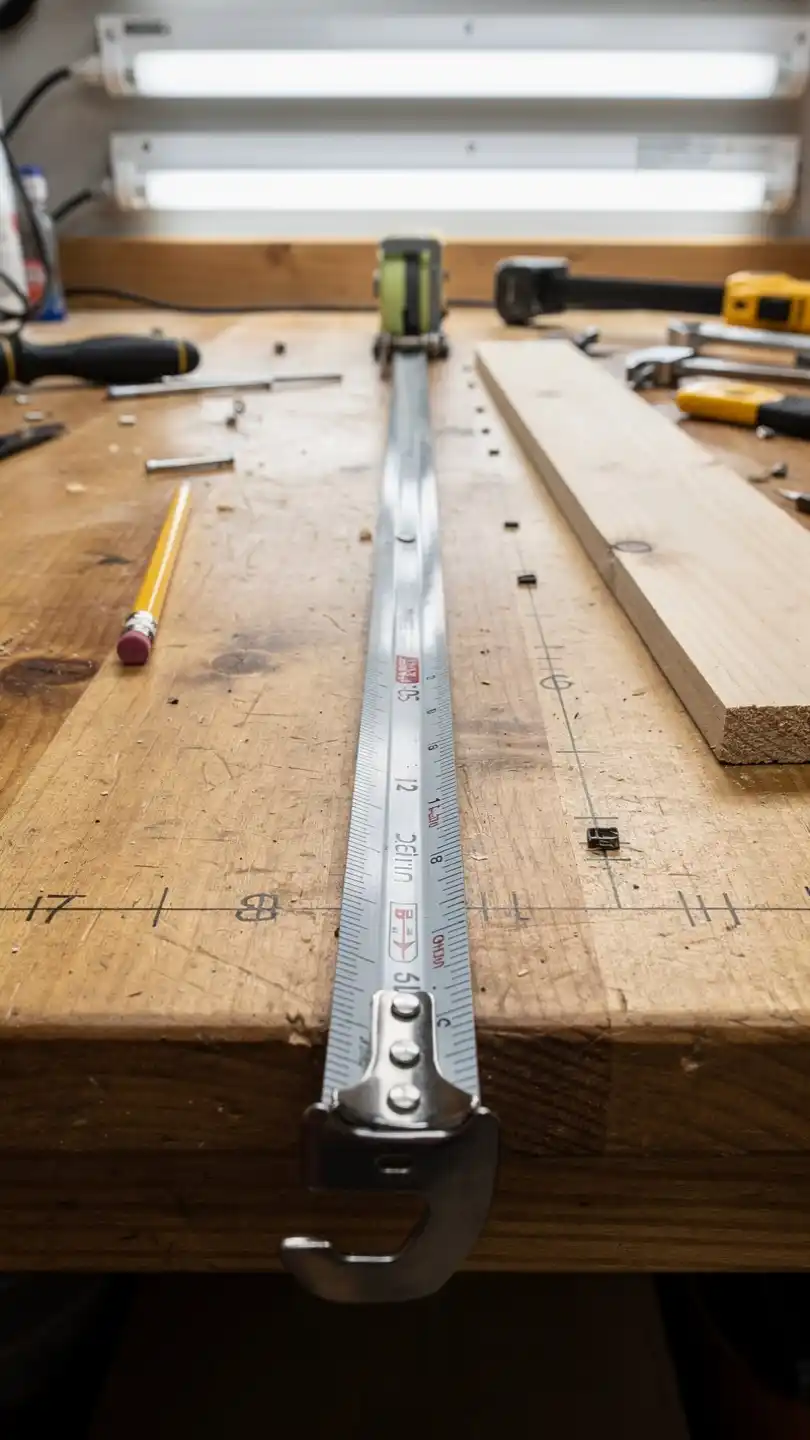
Precision matters in DIY work, and a tape measure is non-negotiable. Whether you’re hanging shelves, measuring a room for new furniture, or cutting wood to size, an accurate measurement prevents costly mistakes. A 25-foot tape measure is a versatile length for most home projects, both indoors and outdoors.
4. Utility Knife
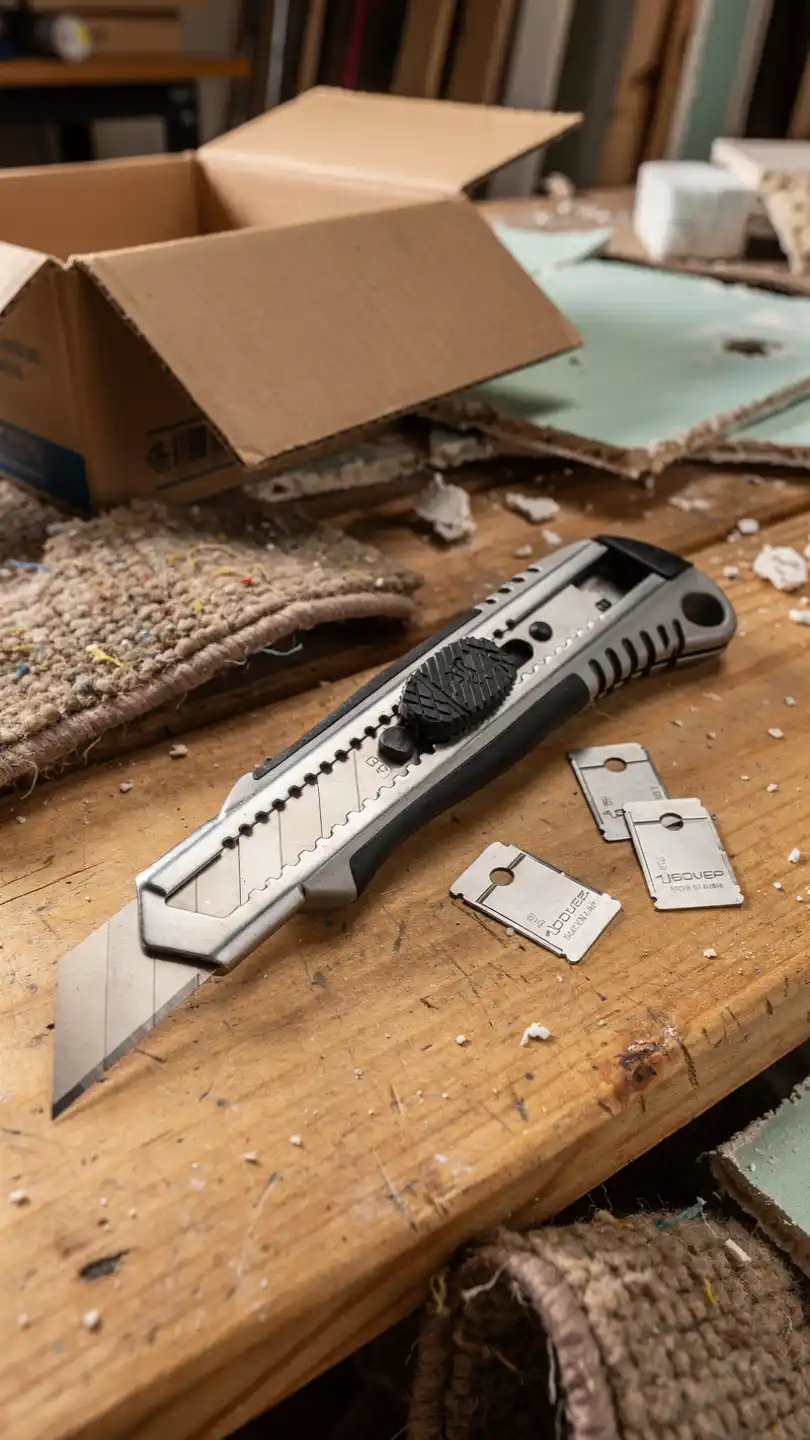
A sharp utility knife is incredibly handy for opening boxes, cutting drywall, trimming carpet, or scoring materials before breaking them.
Look for one with a retractable blade for safety and replaceable blades so it stays sharp over time. This is one of those tools you’ll reach for more often than you’d expect.
5. Adjustable Wrench
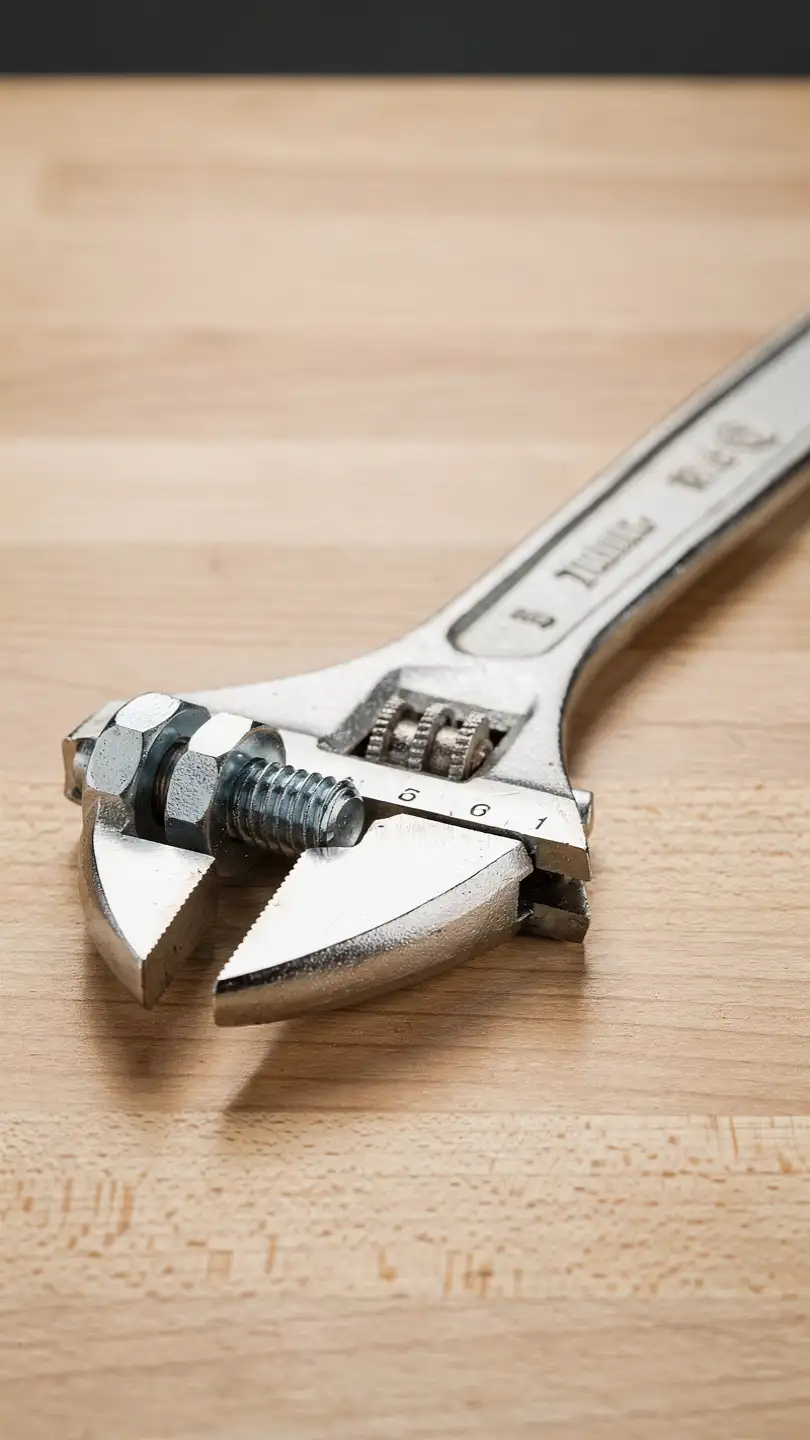
Instead of buying a full set of wrenches in different sizes, an adjustable wrench can handle a variety of nuts and bolts with a single tool.
It’s perfect for beginners who don’t want to invest heavily right away but still need reliable gripping power for plumbing fixes or furniture assembly.
6. Pliers
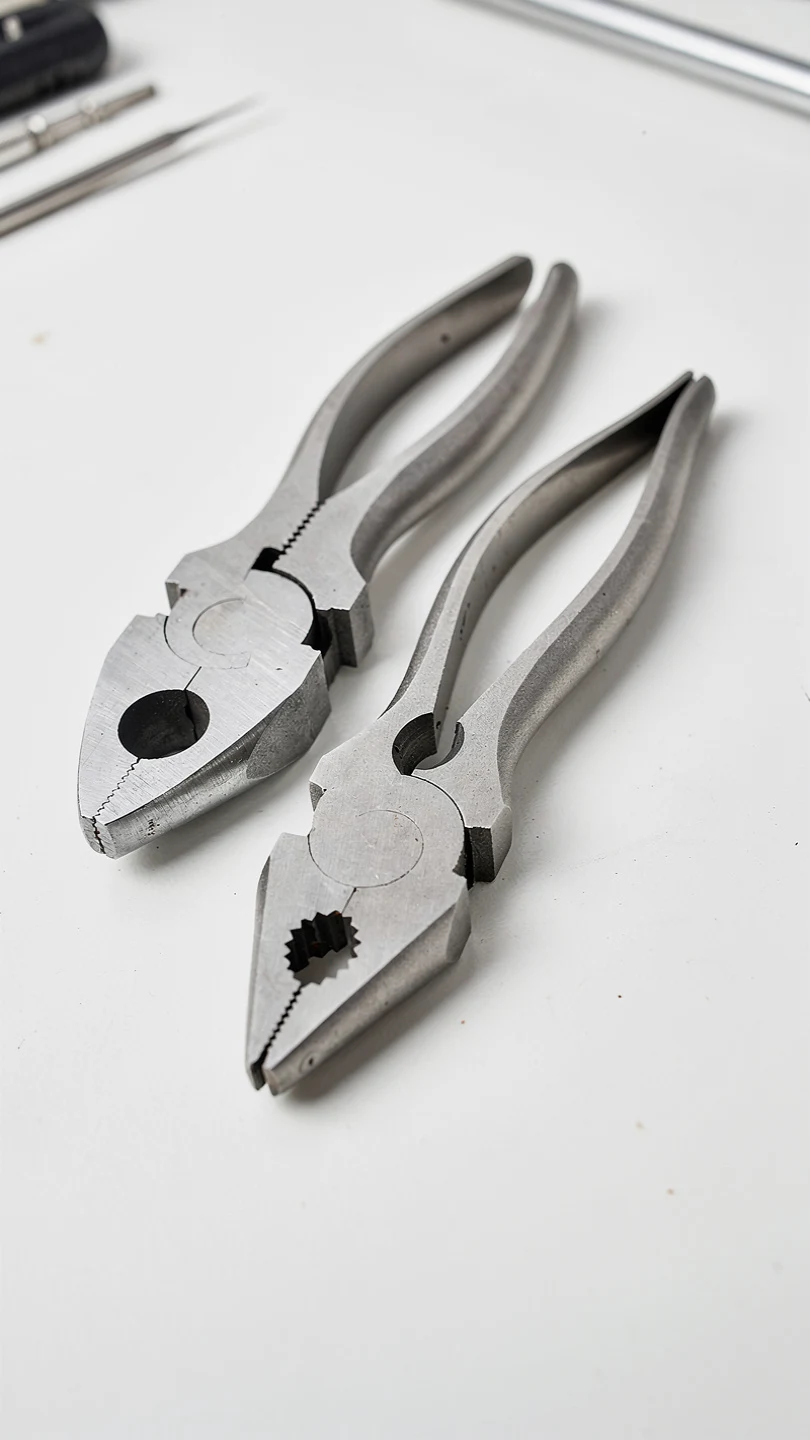
A basic set of pliers, ideally combination pliers and needle-nose pliers, will help you grip, twist, bend, and cut wires or small objects. They’re essential for electrical work, jewelry repair, or simply holding something steady while you work with another tool.
7. Level
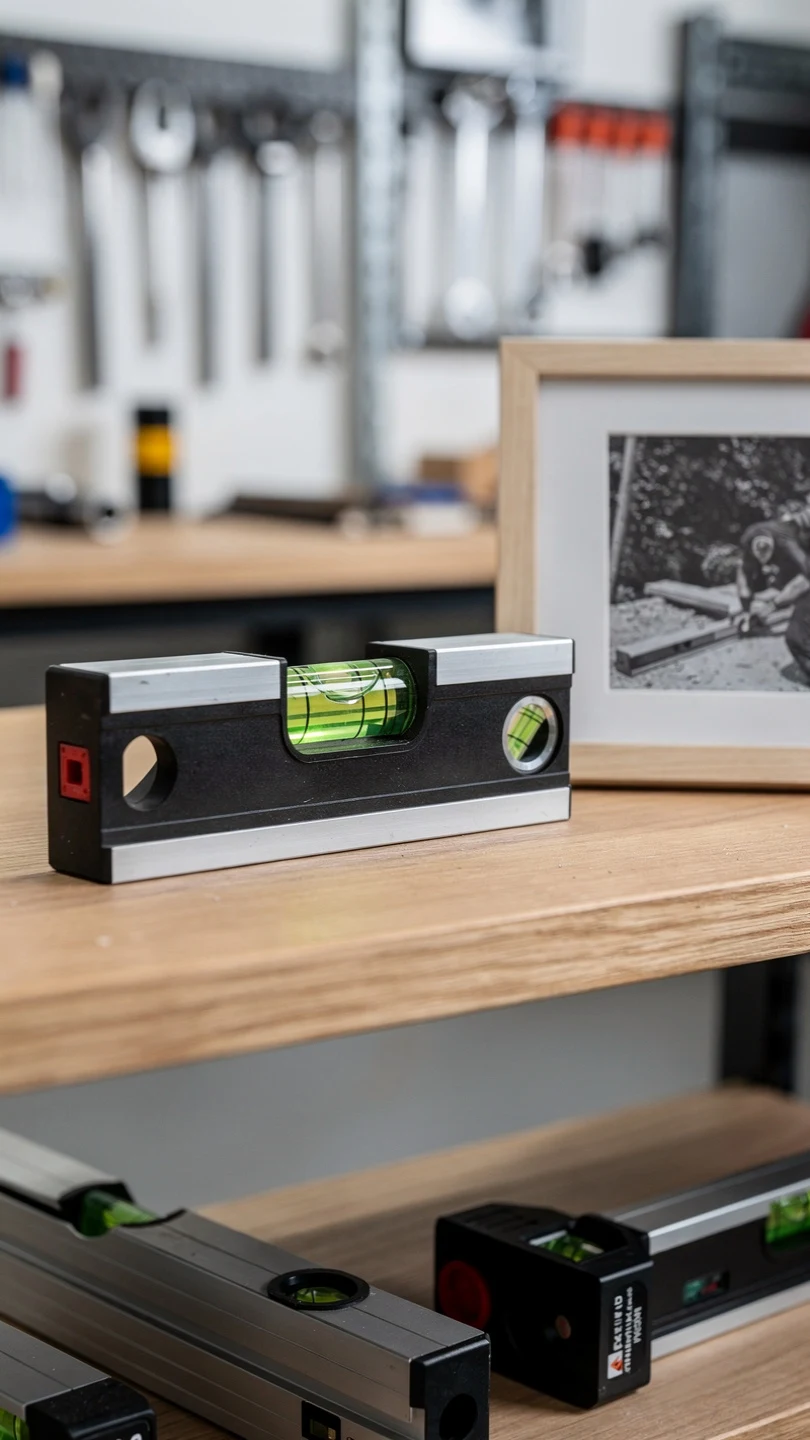
If you’ve ever hung a picture frame that ended up crooked, you understand why a level is important. A small torpedo level is compact and perfect for checking whether shelves, frames, or mounted TVs are perfectly horizontal or vertical. Some newer levels even have laser guides for added precision.
8. Cordless Drill
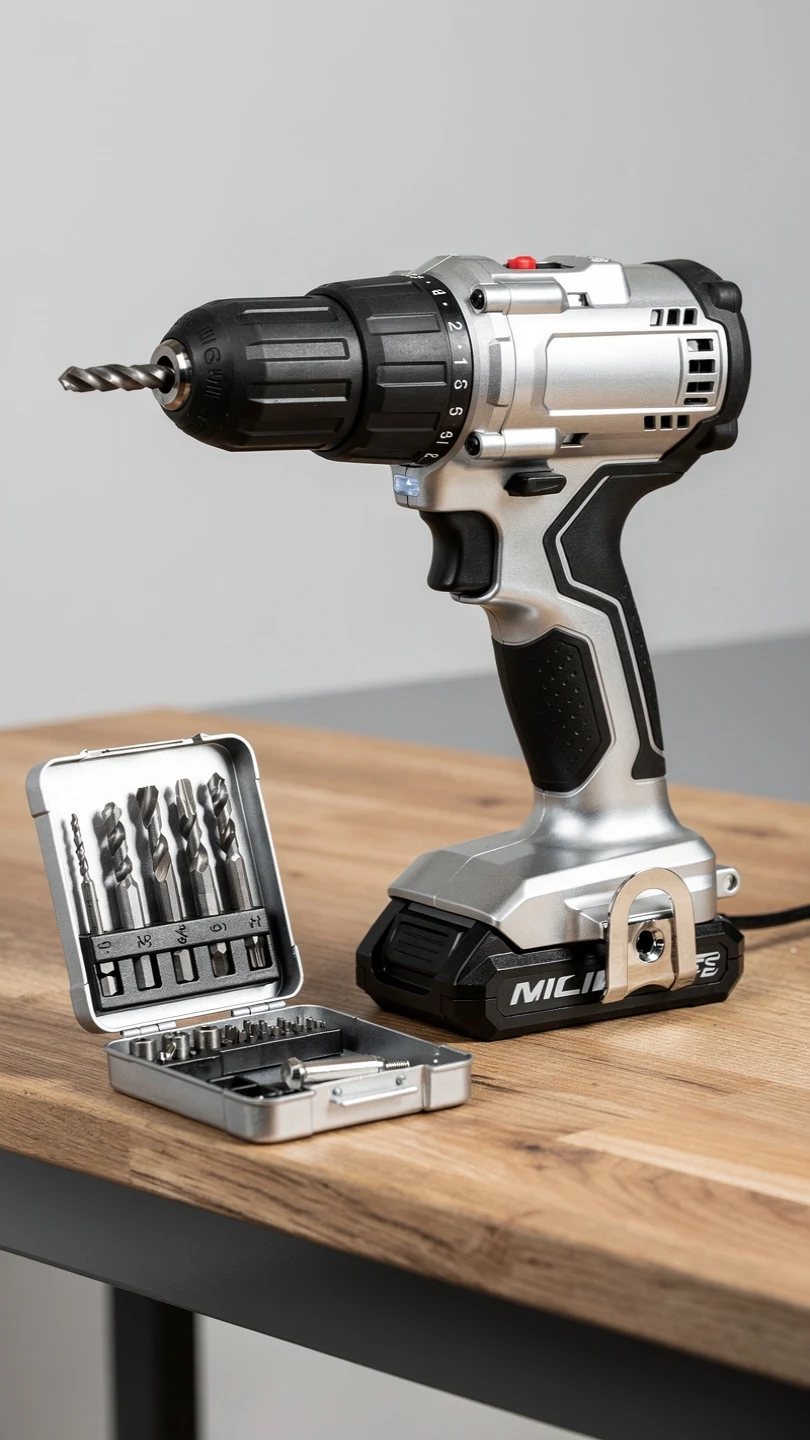
While it’s a bigger investment than hand tools, a cordless drill is arguably the most powerful tool in a beginner’s kit.
It saves time and effort for tasks like drilling holes, driving screws, and assembling furniture. Look for one with adjustable torque settings and a set of drill and screwdriver bits included.
9. Safety Gear
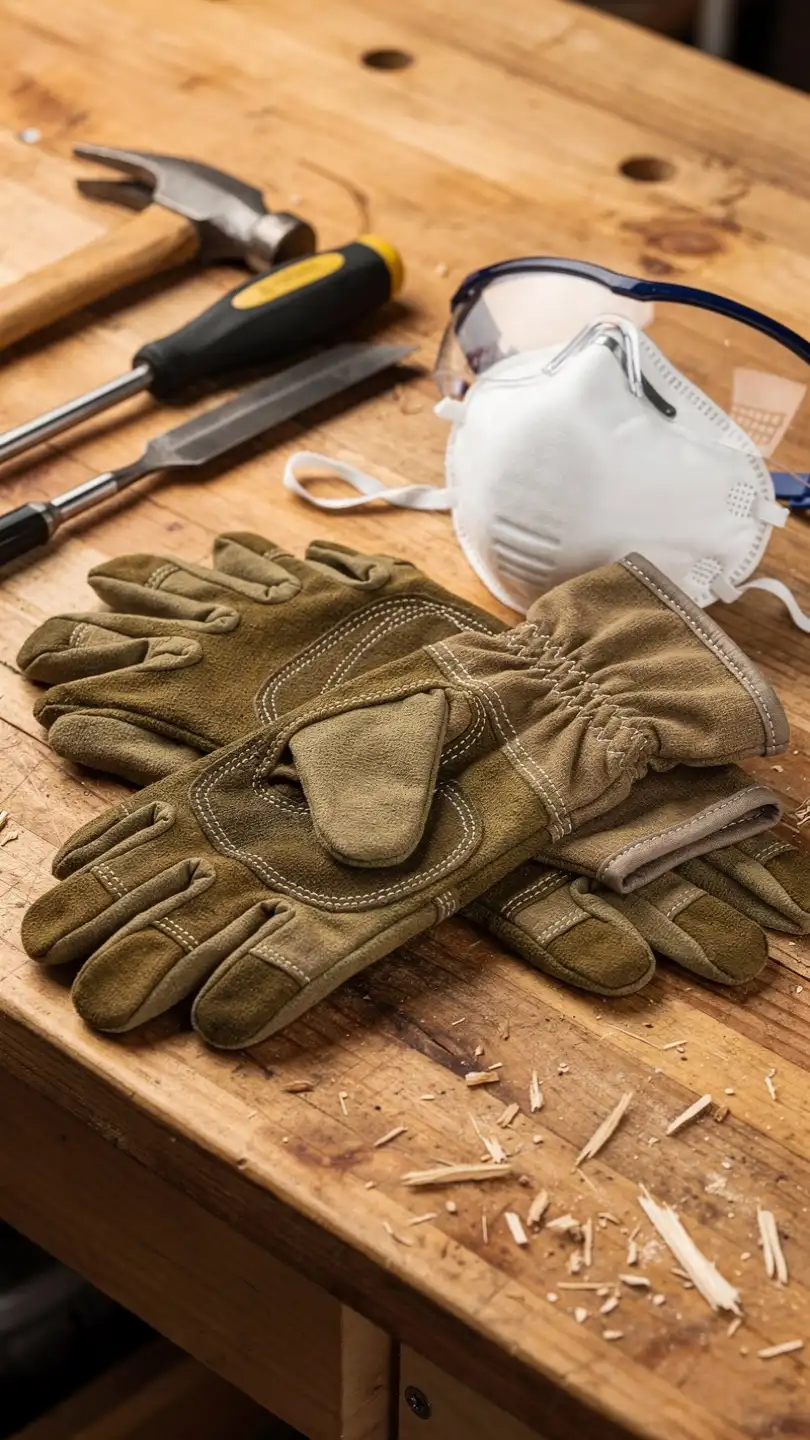
Tools aren’t just about getting the job done, they’re about doing it safely. Basic safety gear like protective gloves and safety glasses should be part of every beginner’s toolkit.
These protect you from splinters, debris, and minor injuries while working with sharp or powered tools.
10. Toolbox or Storage Organizer
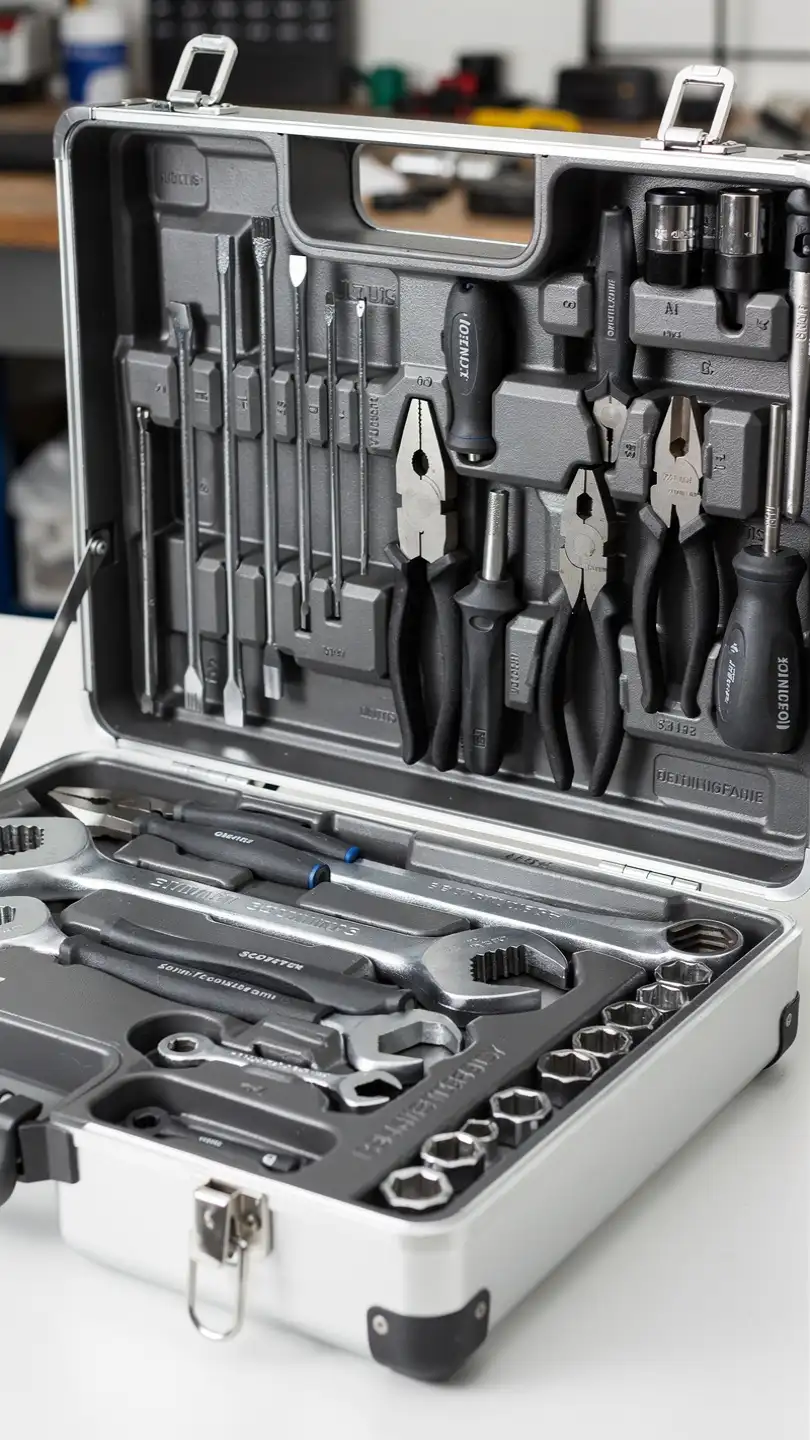
Once you start collecting tools, you’ll need somewhere to keep them organized and easy to find.
A simple toolbox with compartments keeps your tools protected from dust and damage while making your next project setup quick and stress-free.
Final Thoughts
You don’t need to buy every tool available to start your DIY journey. Begin with these essentials, and as your projects grow more advanced, you can expand your collection based on your specific needs.
The key is investing in quality basics that will serve you reliably for years, rather than cheap tools that wear out quickly or perform poorly.
With this starter toolkit in hand, you’ll be ready to tackle most home repairs, small projects, and creative builds with confidence.
DIY work is as much about patience and practice as it is about having the right tools, so don’t be afraid to start small and learn as you go.
Every expert was once a beginner standing in a hardware store, unsure where to start, and with the right tools, you’ll be well on your way to handling your own repairs and projects around the house.