What Do You Do with Leftover Craft Materials?

If you’ve ever finished a craft project, you know the feeling: you’re left staring at a pile of odds and ends that seem too good to throw away, but too small or scattered to actually use for anything.
A few inches of ribbon here, a handful of buttons there, half a sheet of felt, a jar of mismatched beads.
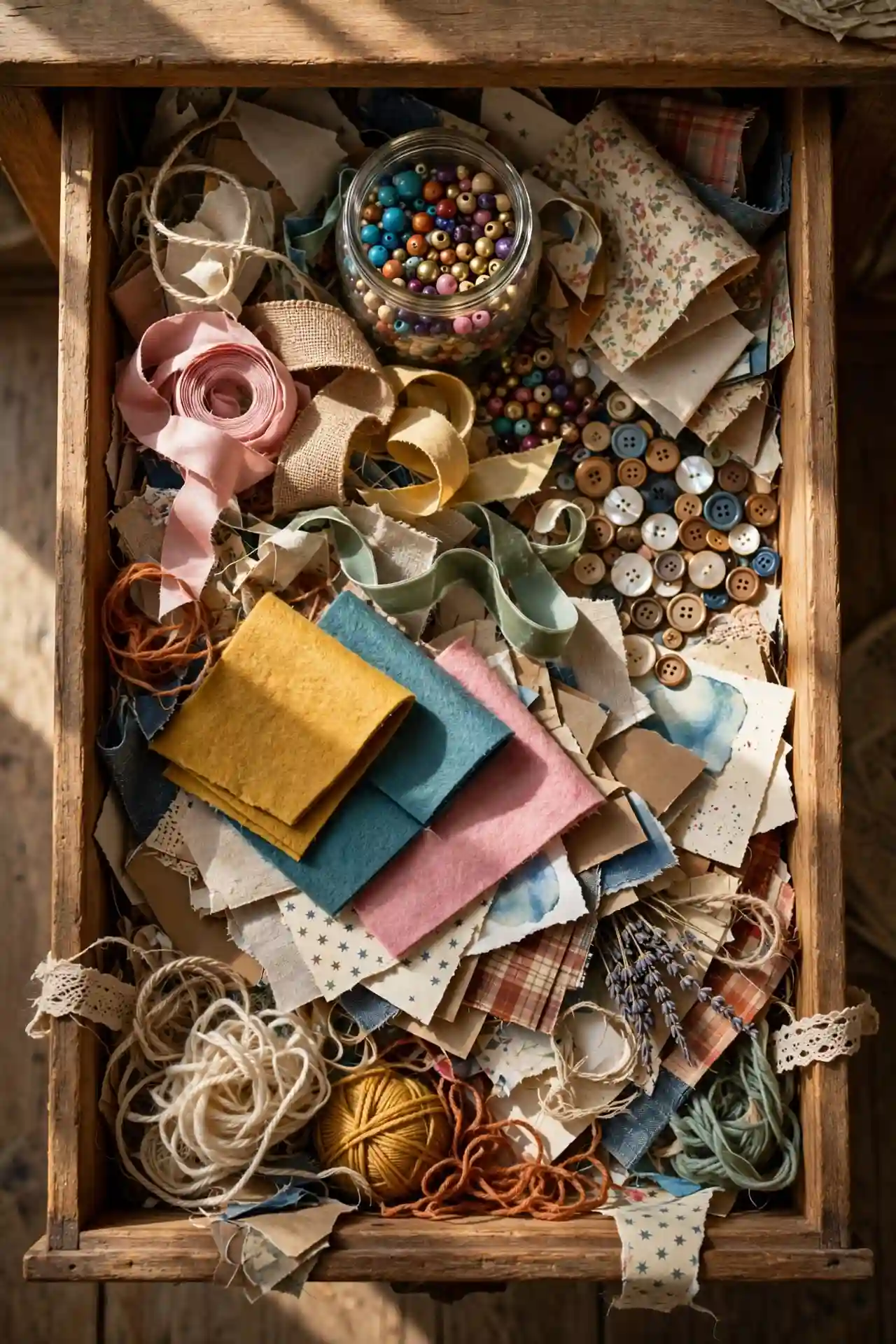
Multiply that by every project you’ve ever done, and suddenly you’ve got a drawer (or three) that won’t close properly.
The good news is that leftover craft materials are rarely useless. With a little creativity and organization, those scraps can become the starting point for something new, rather than just clutter waiting to be thrown out.
Here are some practical, easy ways to give your leftover supplies a second life.
Start with Sorting
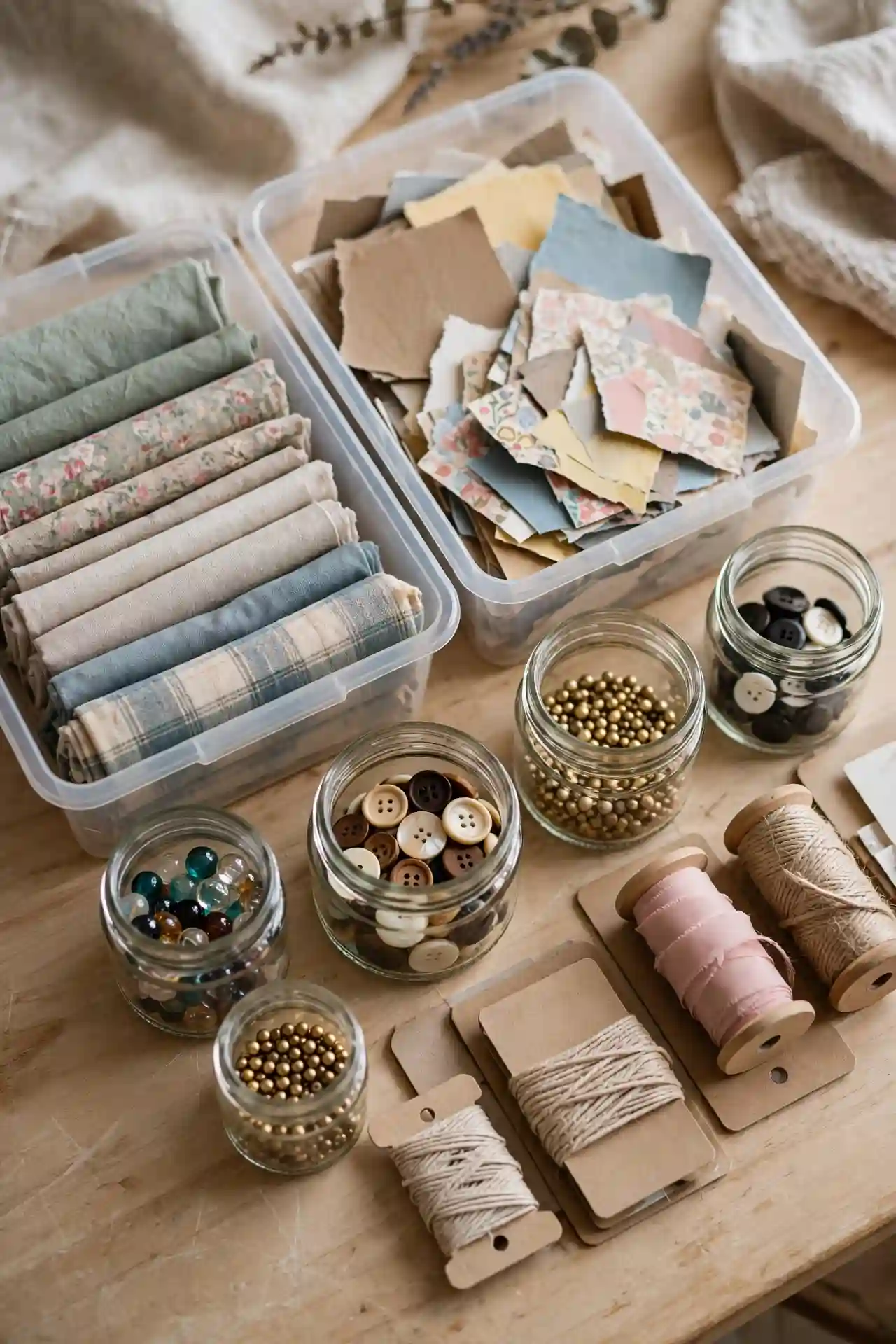
Before you can reuse anything, you need to know what you actually have. Set aside twenty minutes to sort your leftovers by type: fabric scraps in one bin, paper in another, beads and buttons in small jars, ribbon and string wound onto cards or spools.
This single step makes a bigger difference than people expect. Once everything is visible and organized, ideas start coming to you naturally, because you can actually see what you’re working with instead of digging through a chaotic pile.
Clear containers, labeled boxes, or even repurposed jam jars work well for this. The goal isn’t perfection, just enough order that you can find things later.
Turn Scraps into New Projects
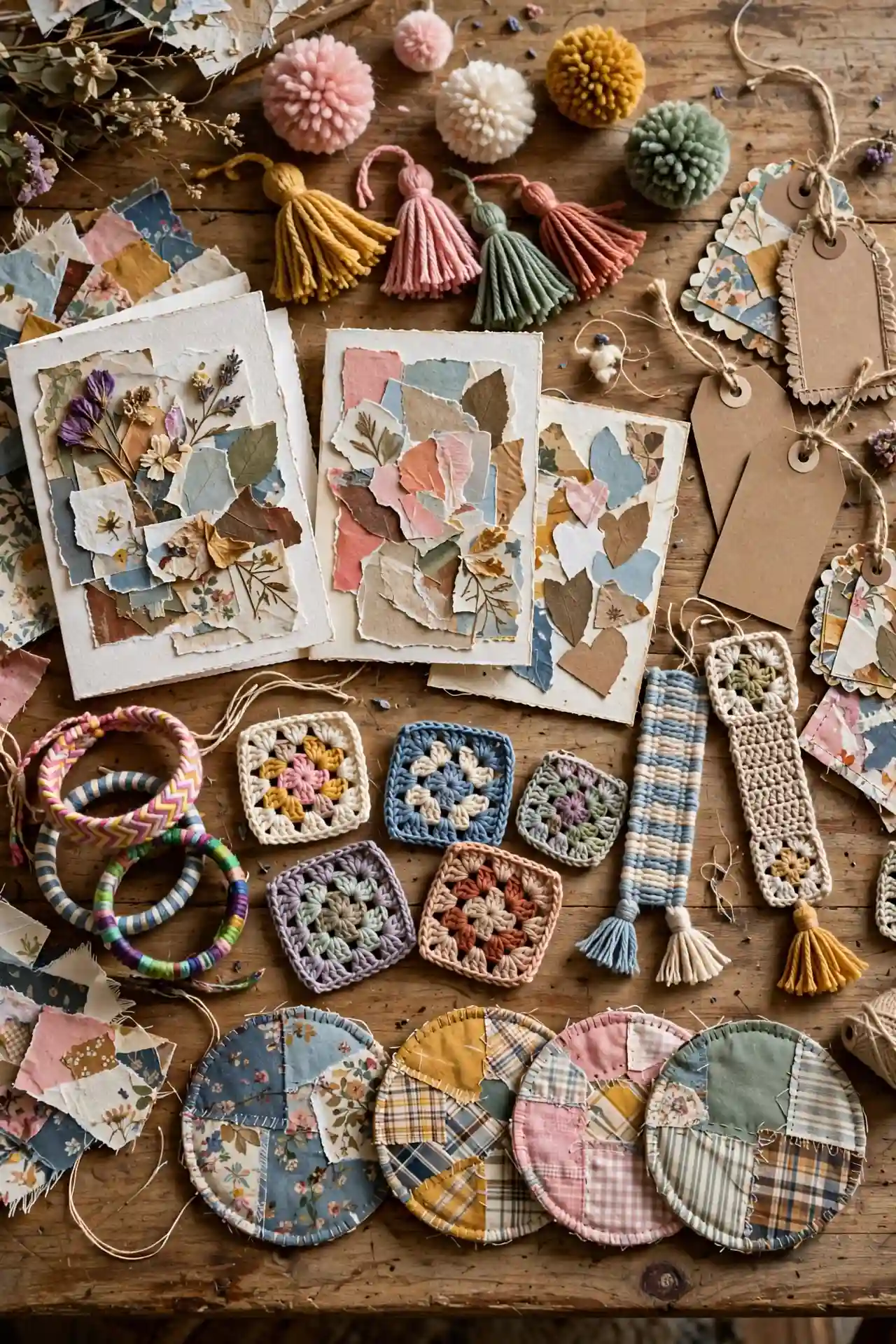
Small pieces of fabric, paper, and yarn are perfect for smaller-scale crafts. Fabric scraps can become patchwork coasters, small drawstring pouches, quilted squares, or stuffed toy patches.
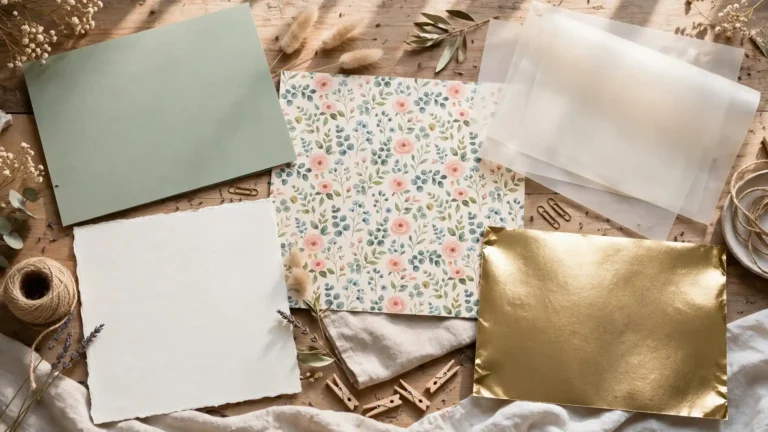
Paper scraps are ideal for handmade greeting cards, gift tags, bookmarks, or collage art. Even tiny slivers of paper can be layered into confetti or used as texture in mixed-media pieces.
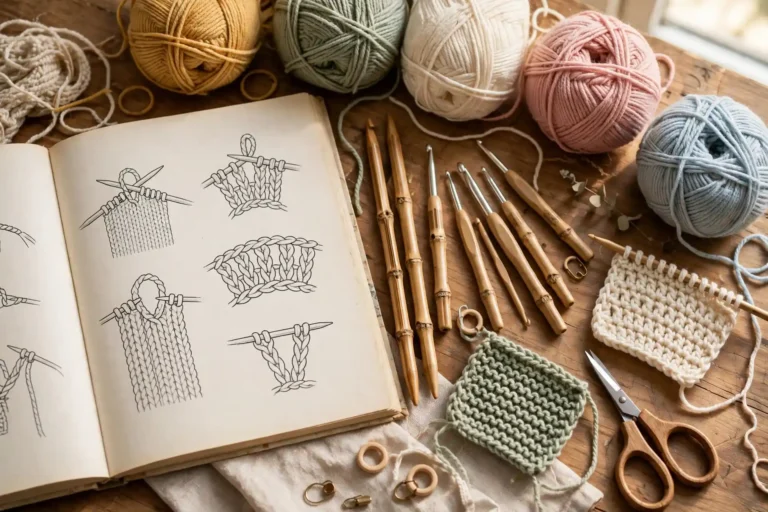
Leftover yarn and thread are great for tassels, friendship bracelets, pom-poms, or woven wall hangings.
If you have several colors in small amounts, consider a scrap-yarn project like a granny square blanket, where mismatched colors actually become part of the charm rather than a problem to hide.
Create a “Grab Bag” Kit for Kids
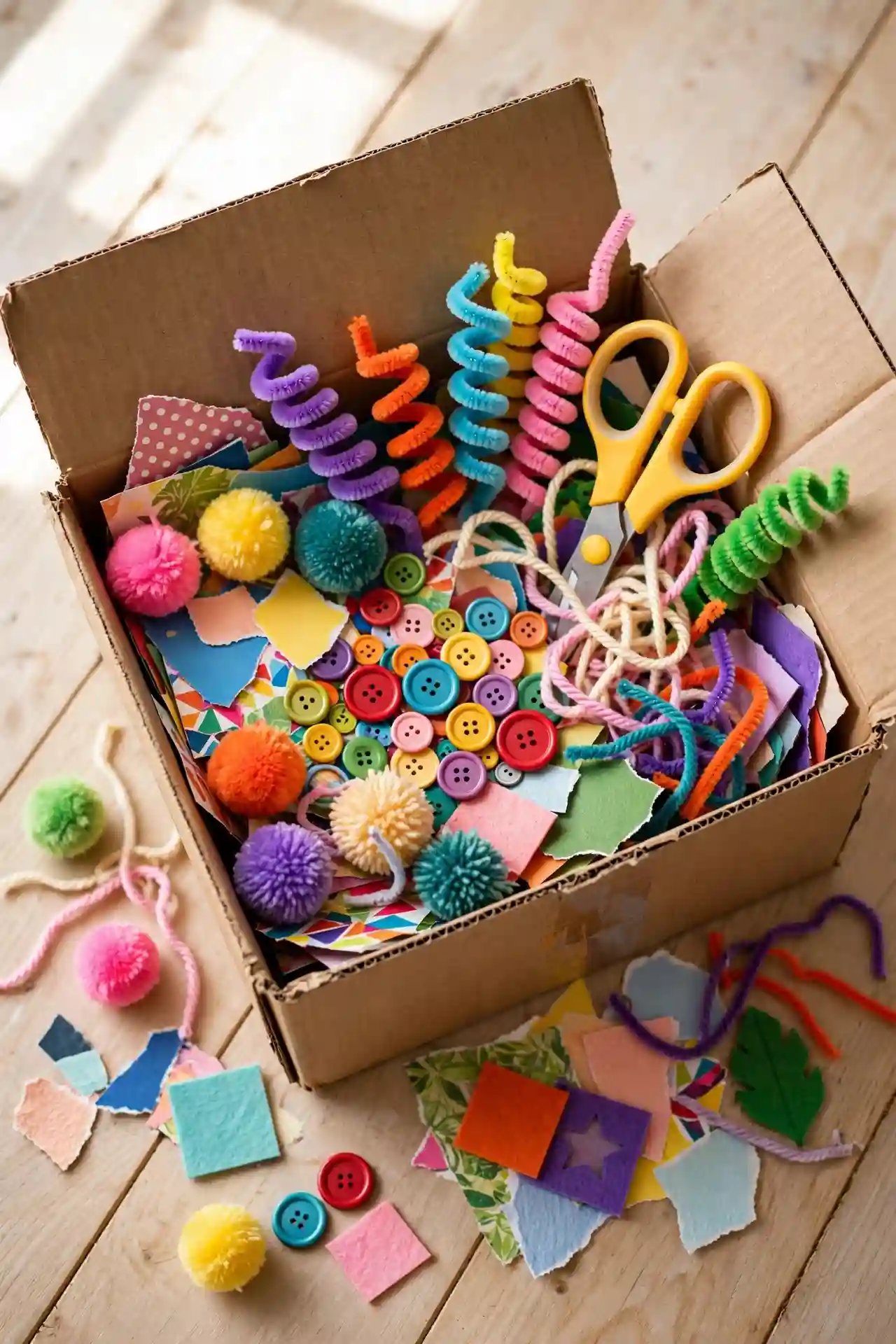
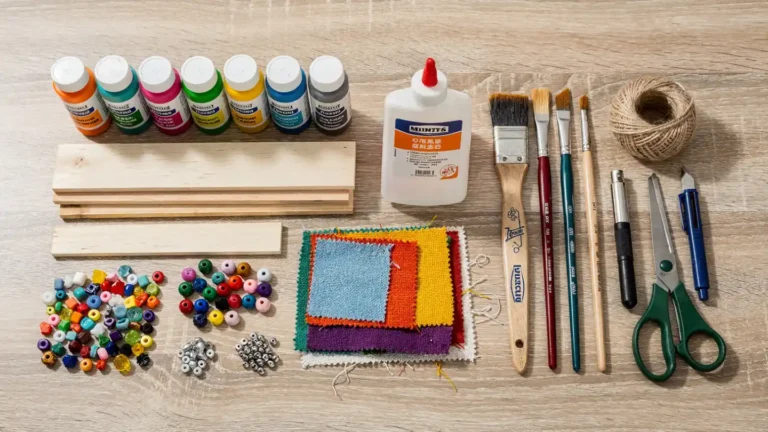
If children are around, leftover craft materials make an excellent grab-bag activity kit. Fill a box with buttons, pom-poms, pipe cleaners, scrap paper, and safety scissors, and let kids create freely without needing a specific plan.
This kind of open-ended crafting builds creativity, and it’s a wonderful way to use up odds and ends that are too small for adult projects but perfect for imaginative play.
Donate What You Won’t Use
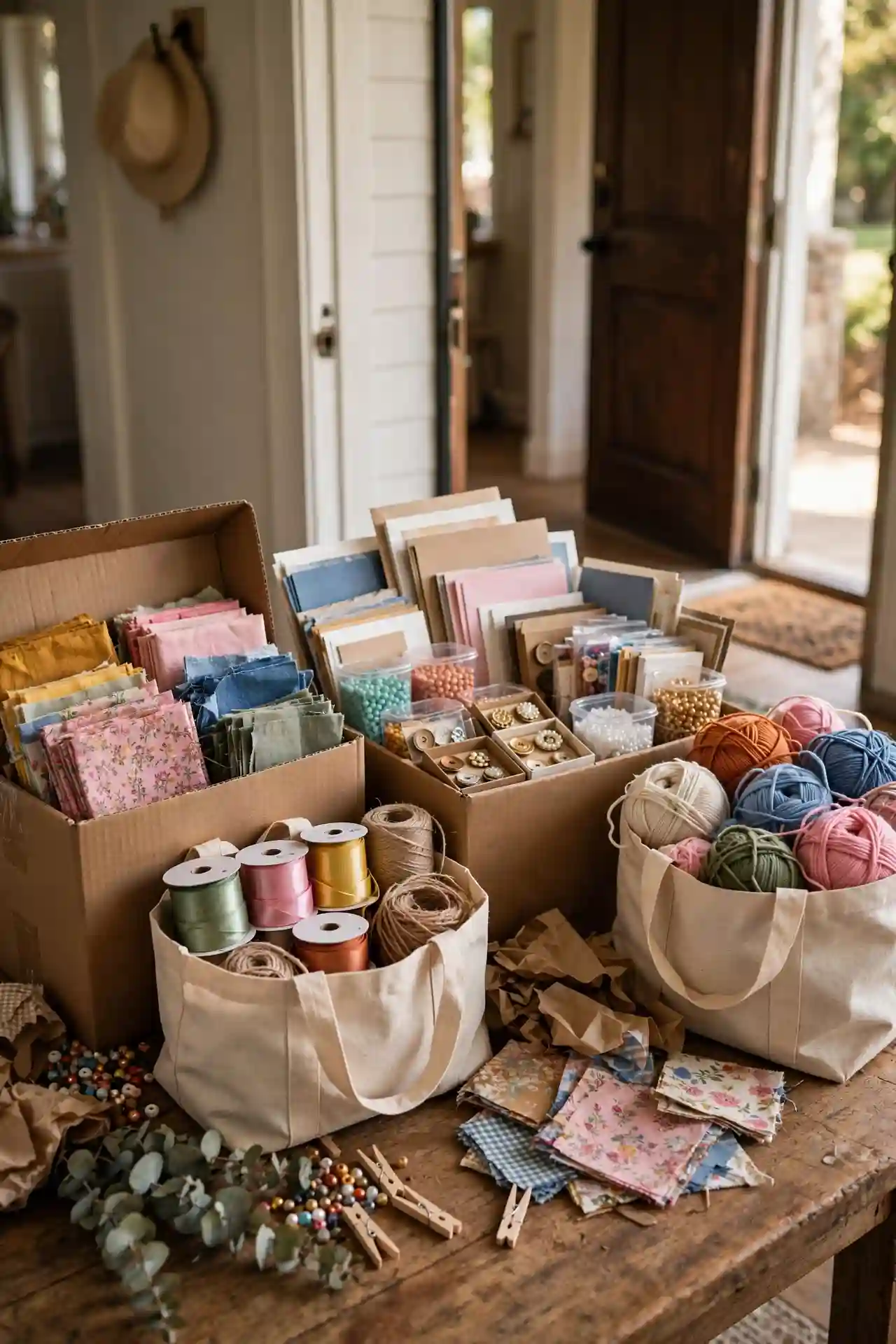
Not every leftover material needs to become a new project in your own home. Local schools, daycare centers, senior centers, and community art programs often welcome donations of craft supplies.
Many teachers, in particular, are thrilled to receive extra ribbon, paper, fabric, or beads for classroom projects, since school budgets for art supplies are often tight.
Some cities also have creative reuse centers or “scrap shops” that specifically collect and resell secondhand craft and art materials at low prices.
A quick search for “creative reuse center near me” can turn up options you didn’t know existed.
Repurpose Containers and Packaging
Leftover materials aren’t just the ribbon and fabric themselves; they include the containers those things came in.
Glass jars, plastic bins, and cardboard boxes from craft supplies can be reused for organizing future materials, storing small hardware like screws and nails, or even becoming part of a new craft, like a decorated pencil holder or planter.
Build a “Someday” Bin
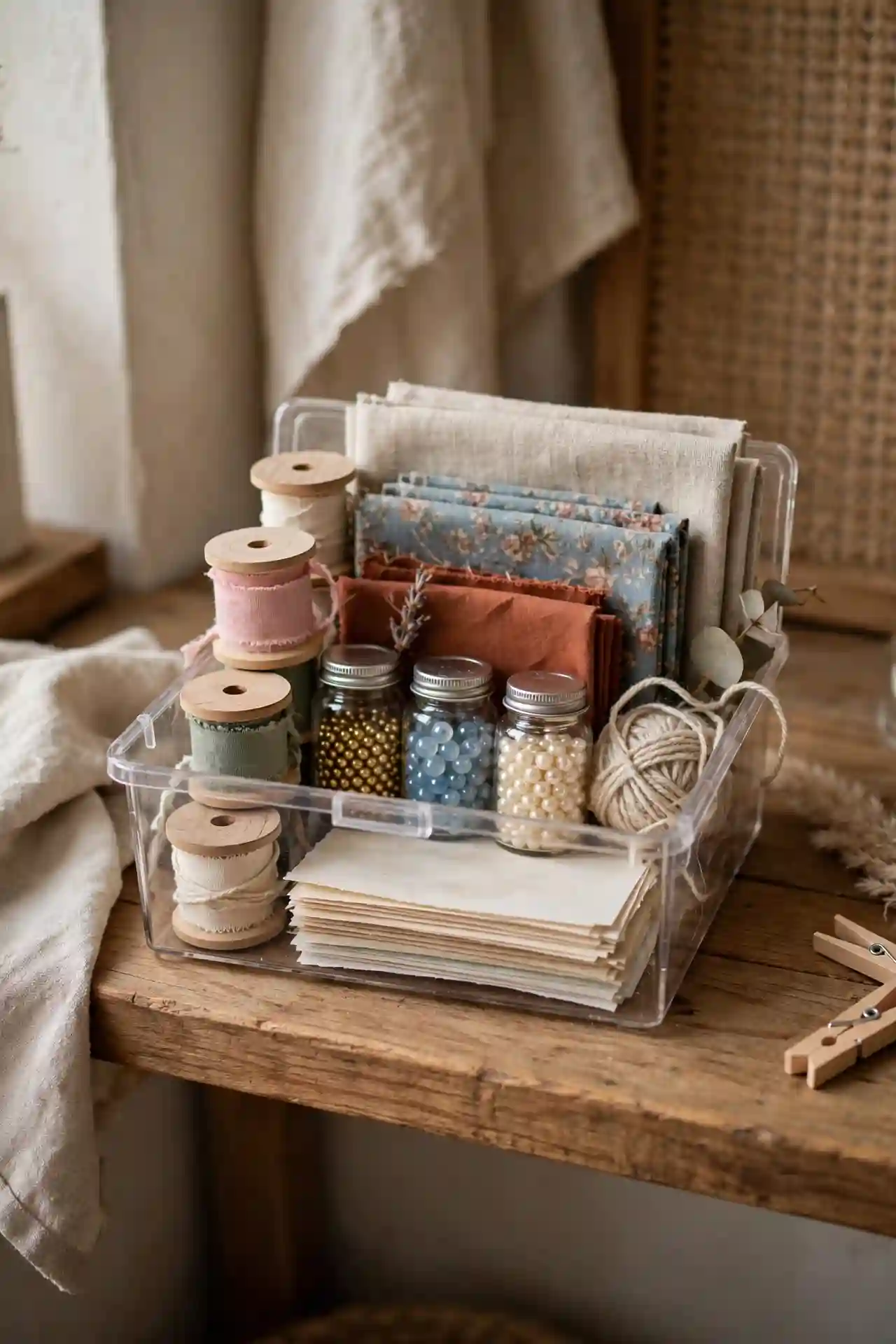
Not every scrap needs an immediate purpose. It’s perfectly reasonable to keep a small “someday” bin for materials that don’t fit a current project but seem too useful to discard.
The key is keeping this bin small and specific. If it starts overflowing, it’s a sign to either use the materials soon or pass them along to someone else.
Try a Scrap Challenge
One fun way to motivate yourself to use leftovers is to set a personal challenge: no new craft supplies until you’ve used up a certain amount of what you already have.
This “shop your stash” approach not only reduces clutter but also pushes you toward more creative problem-solving, since you have to work with what’s on hand rather than buying exactly what a pattern calls for.
Final Thoughts
Leftover craft materials don’t have to be a source of guilt or clutter. With a bit of sorting and a willingness to experiment, those scraps can turn into new projects, thoughtful gifts, classroom donations, or simple creative play for kids.
The next time you’re tempted to toss a small pile of ribbon or fabric, take a moment to think about what it could become instead.
Often, the most interesting projects come not from a fresh batch of supplies, but from figuring out what to do with what you already have.