What Are Easy Crafts to Sell at Local Markets

Local markets are one of the friendliest places to turn a creative hobby into some extra cash. You don’t need a huge workshop, a business degree, or years of experience — just a few good ideas, some basic supplies, and a little patience.
If you’ve been wondering what kind of handmade goods actually sell well at farmers markets, craft fairs, and weekend pop-ups, here are some simple, beginner-friendly options worth trying.
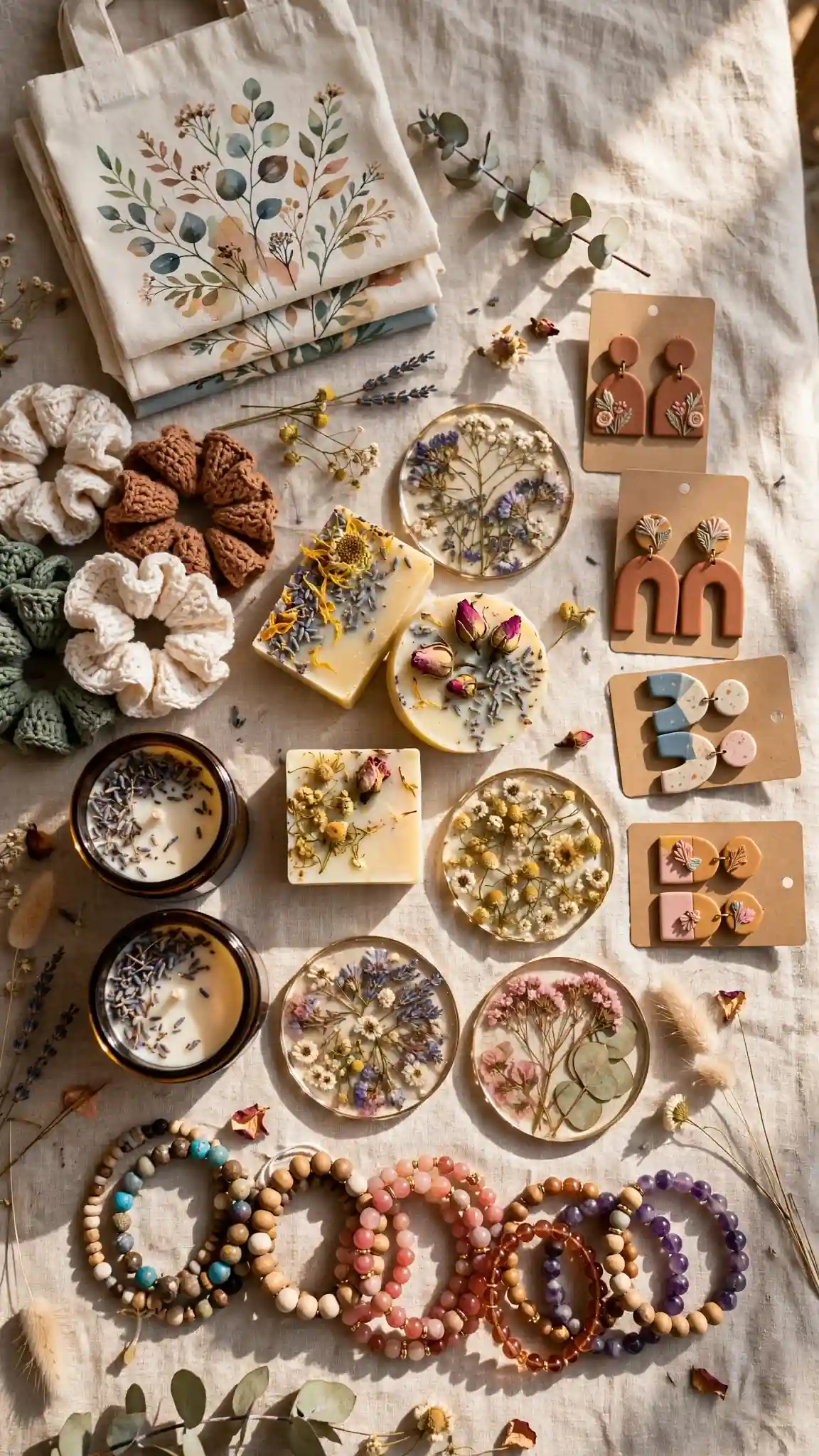
Why Handmade Crafts Do Well at Markets
Shoppers at local markets aren’t looking for mass-produced items — they want something personal, unique, and made with care.
That’s good news for beginners, because your first attempts don’t need to be perfect. People are drawn to charm, color, and the story behind a handmade piece.
This makes markets a low-pressure place to test your skills and see what customers respond to before investing in bigger equipment or larger batches.
1. Handmade Jewelry
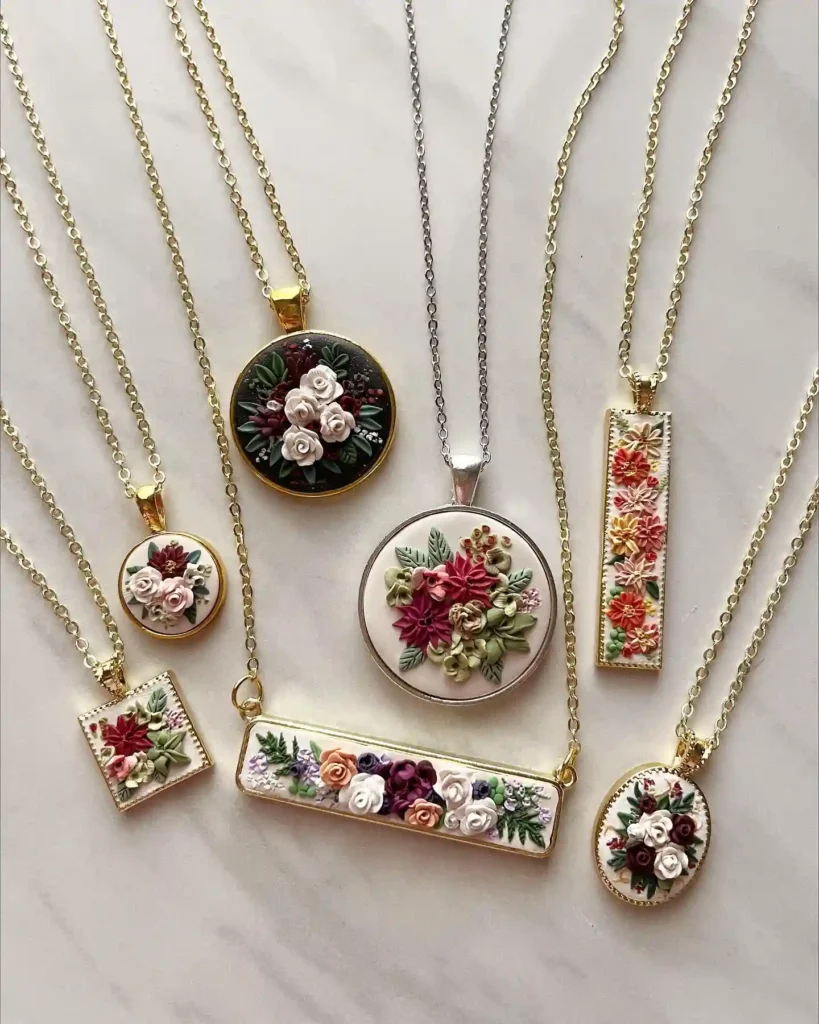
Jewelry is one of the most popular and beginner-friendly crafts to sell. Simple beaded bracelets, wire-wrapped pendants, and polymer clay earrings can be made quickly and cheaply, yet feel special to buyers.
Start with a small collection of 15–20 pieces in a consistent style or color palette so your table looks put-together.
As you gain confidence, you can experiment with more detailed designs like macramé necklaces or resin charms.
2. Candles and Wax Melts
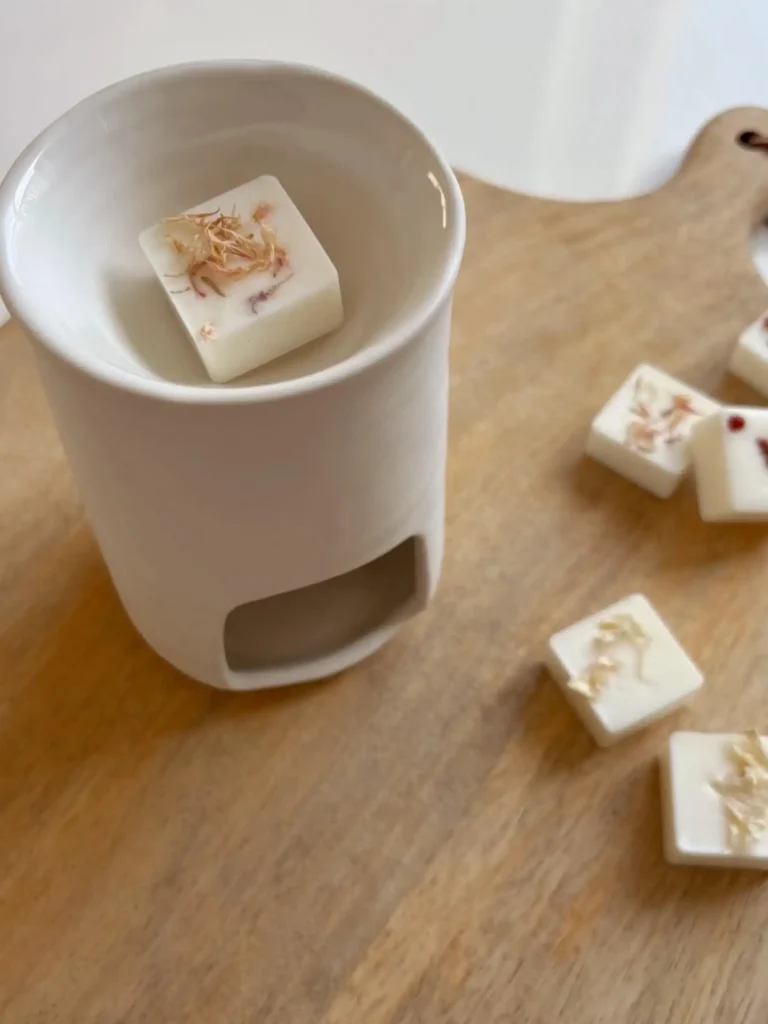
Candle making requires minimal equipment — just wax, wicks, fragrance oils, and containers. Soy or coconut wax candles are especially popular because they’re seen as a cleaner, more natural option.
Try seasonal scents to match the time of year, and consider reusable tins or small jars so customers feel they’re getting more value.
Wax melts are an even easier entry point since they skip the wick and pouring precision candles require.
3. Soap and Bath Products
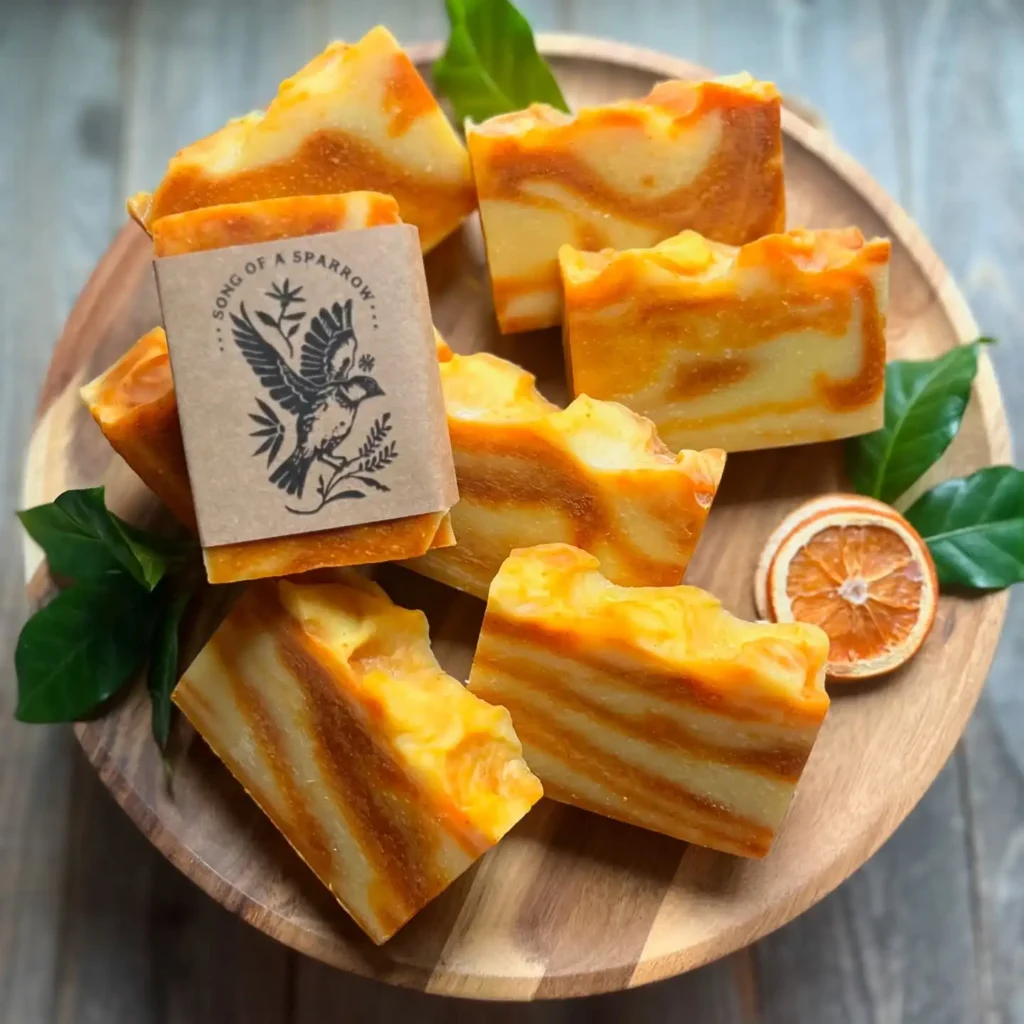
Handmade soap, bath bombs, and body scrubs are consistently strong sellers because they’re useful, affordable, and make great gifts.
Melt-and-pour soap bases are ideal for beginners since they don’t require handling lye, and you can customize scent, color, and shape with simple molds.
Adding natural ingredients like oatmeal, lavender, or shea butter gives your products a premium feel without much extra cost.
4. Painted or Decorated Home Décor
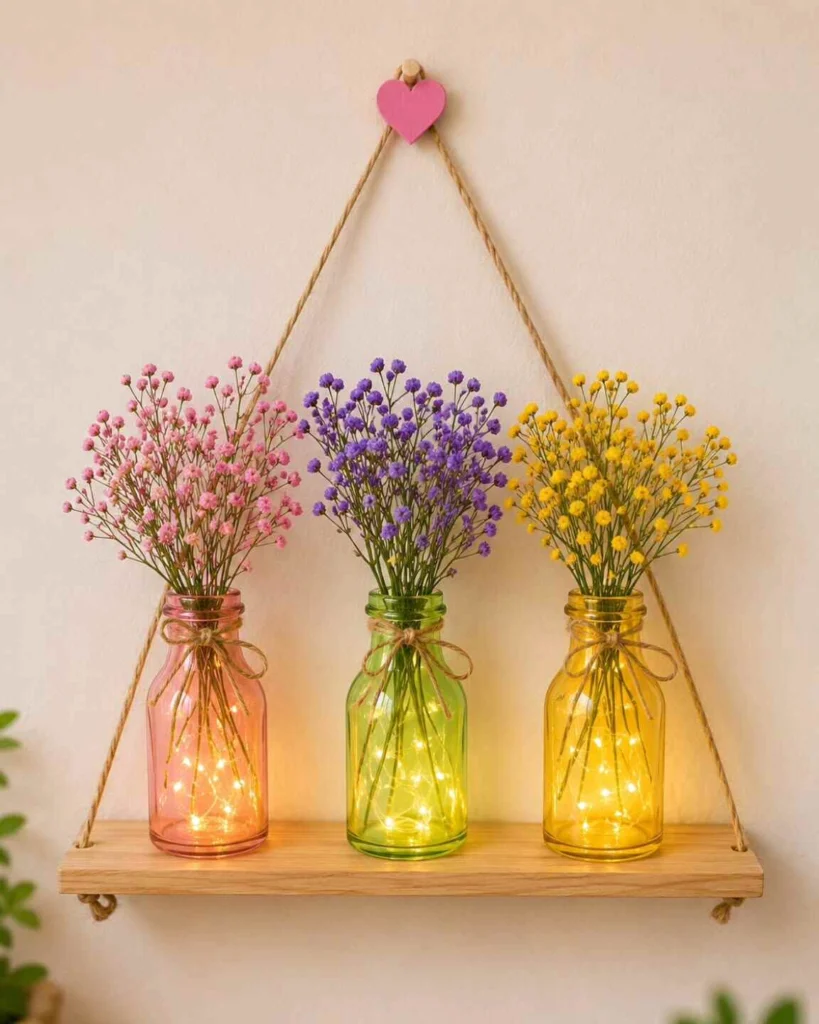
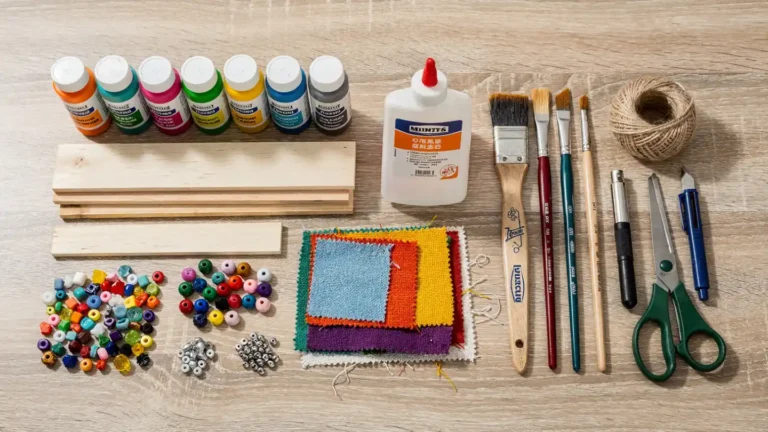
Small home décor items — like painted wooden signs, hand-lettered coasters, or decorated flower pots — are easy to produce in batches and appeal to a wide range of shoppers.
These items don’t require advanced artistic skill; clean lines, simple phrases, and pleasant color combinations often sell better than overly intricate designs.
Keep pricing modest and focus on making enough stock to fill your table without overwhelming buyers with too many choices.
5. Tote Bags and Simple Textiles
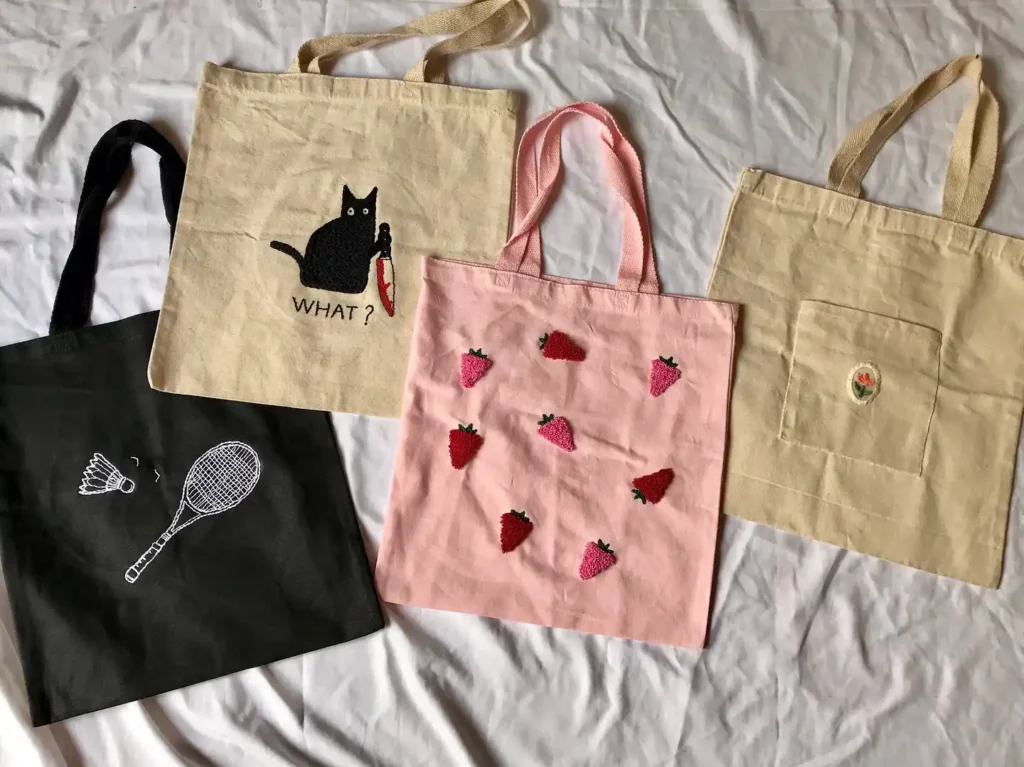
Canvas tote bags decorated with stamps, embroidery, or fabric paint are practical, affordable, and easy to make in bulk.
Because tote bags are useful in everyday life, they tend to sell well to people who might not otherwise buy “just for fun” crafts.
Other beginner-friendly textile ideas include tea towels, drawstring pouches, and simple fabric coasters.
6. Handmade Greeting Cards
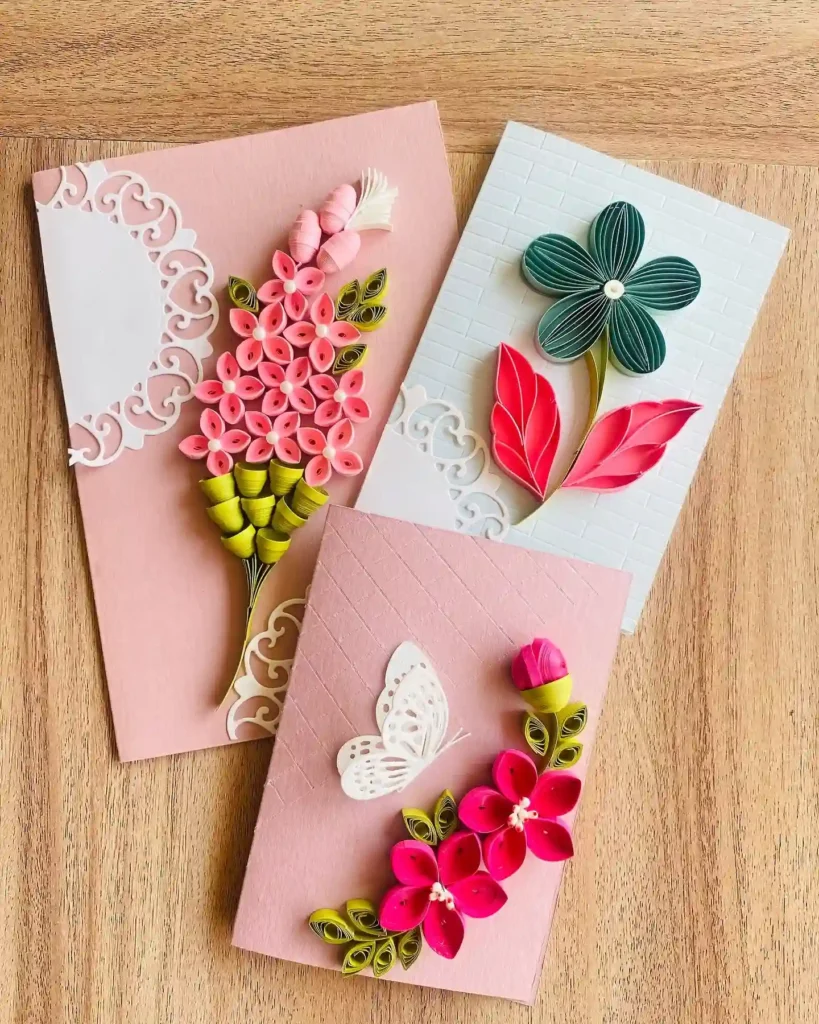
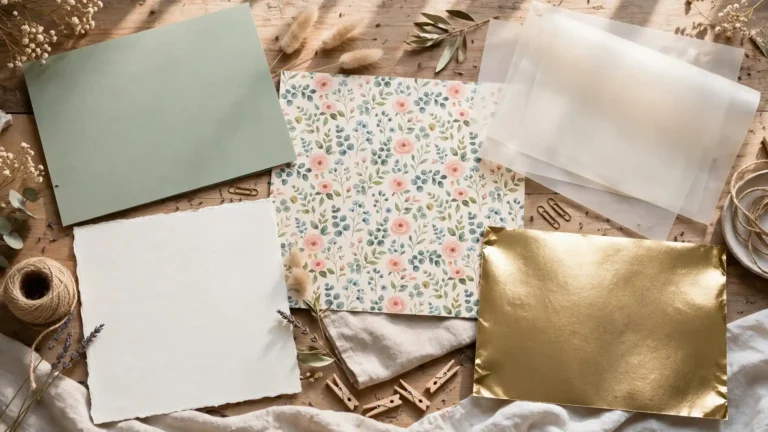
If you enjoy paper crafts, greeting cards are an inexpensive and fast product to create. A set of blank cards for birthdays, thank-yous, or holidays can be produced in batches using stamps, watercolor, or simple collage techniques.
Bundle them into packs of five or ten for better perceived value, and keep a few single cards available for last-minute buyers.
7. Plant-Related Crafts
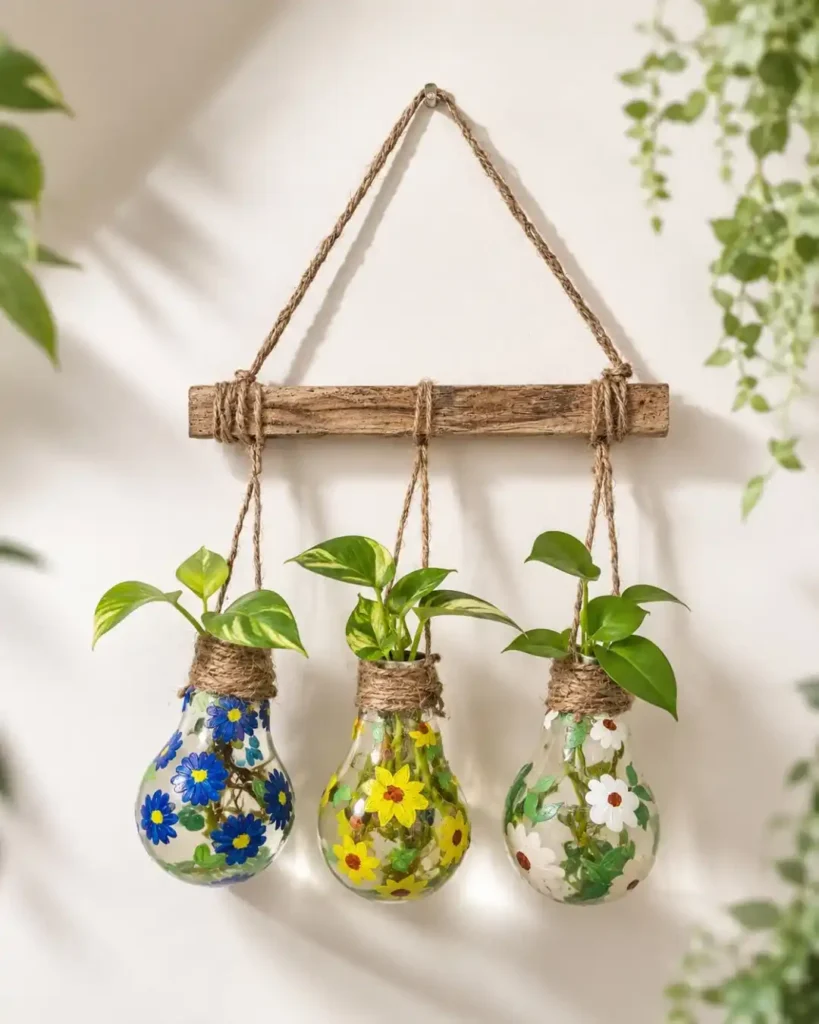
Succulents in hand-painted pots, pressed flower bookmarks, or small herb garden kits tap into the popularity of plants and greenery.
These items don’t require much material investment and often photograph beautifully for social media, which can help attract more foot traffic to your table.
Tips for Getting Started
- Start small. Choose one or two craft types rather than spreading yourself thin across many products.
- Keep pricing simple. Round numbers and clear pricing signs make transactions faster and easier for both you and your customers.
- Focus on presentation. A tidy table with good lighting and clear labels often matters as much as the craft itself.
- Test before committing. Bring a small batch to your first market to gauge interest before producing large quantities.
Final Thoughts
The best crafts to sell at local markets are ones that are simple to make, affordable to produce, and genuinely enjoyable for you to create.
Starting small allows you to learn what your local audience likes, refine your process, and grow your product line naturally over time.
With a bit of creativity and consistency, a simple hobby can turn into a rewarding weekend business.