Why Do We Blow Out Candles on Birthdays? The Story Behind a Sweet Tradition

Picture this: the lights dim, a cake glowing with tiny flames is carried to the table, everyone starts singing, and then comes the big moment — you take a breath, make a wish, and blow out the candles.
It’s such a normal part of birthdays that most of us never stop to ask where it actually came from.
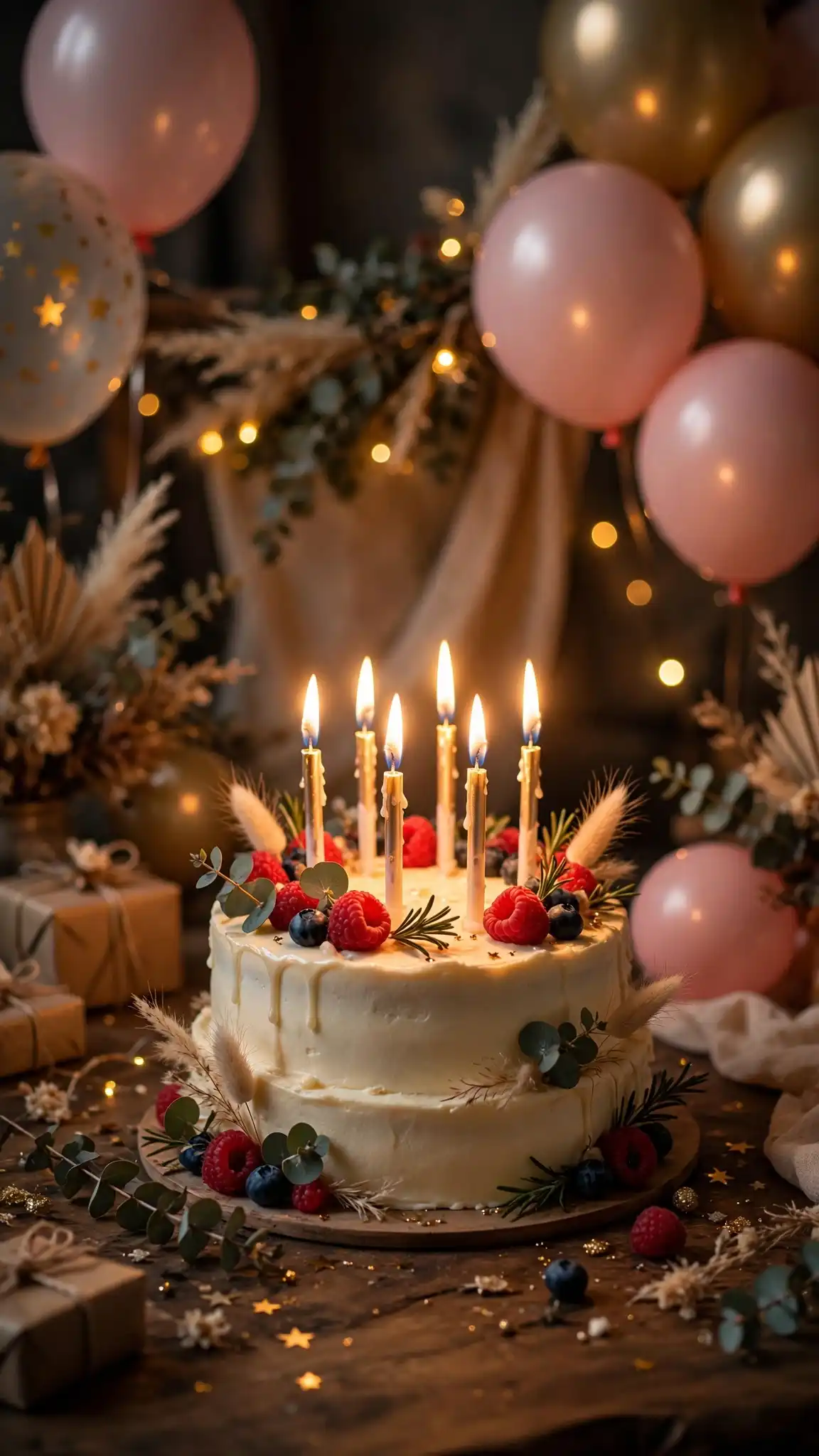
But this simple ritual has a long, interesting history that stretches back thousands of years and mixes together fire worship, ancient gods, superstition, and a little bit of sugar-coated magic.
Let’s dig into why this tiny tradition has stuck around for so long.
The Ancient Greek Connection
Most historians trace the candle-blowing custom back to ancient Greece. The Greeks used to bake round, moon-shaped cakes to honor Artemis, the goddess of the moon and hunting.
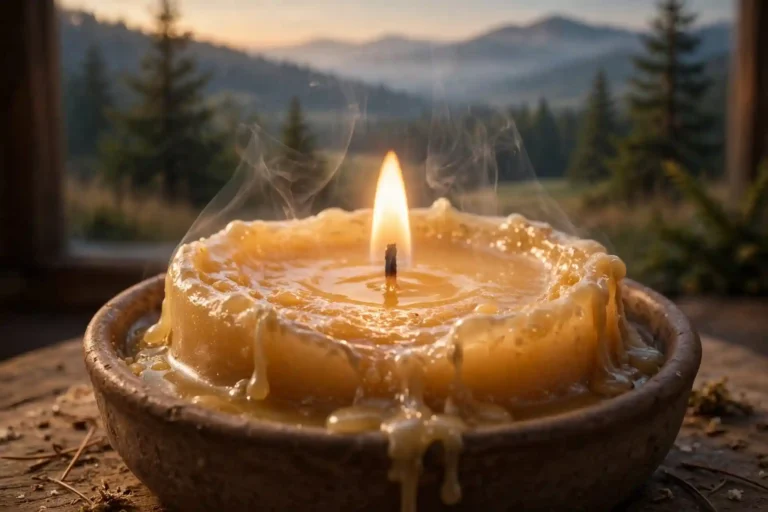
Origin: Round moon-shaped cakes topped with lit candles, offered to Artemis, goddess of the moon.
To make these cakes glow like the moon itself, they would top them with lit candles. The light was meant to give the cake a shining, moon-like appearance as an offering to the goddess.
Fire has always held a special place in human belief systems. Many ancient cultures considered fire and smoke sacred, believing that flames carried prayers and wishes up to the heavens.
So when someone lit a candle and made a wish before blowing it out, they weren’t just performing a cute little ritual — they were symbolically sending their hopes up to the gods, trusting the smoke to deliver the message.
German Kinderfeste and the Birth of Modern Birthday Cakes
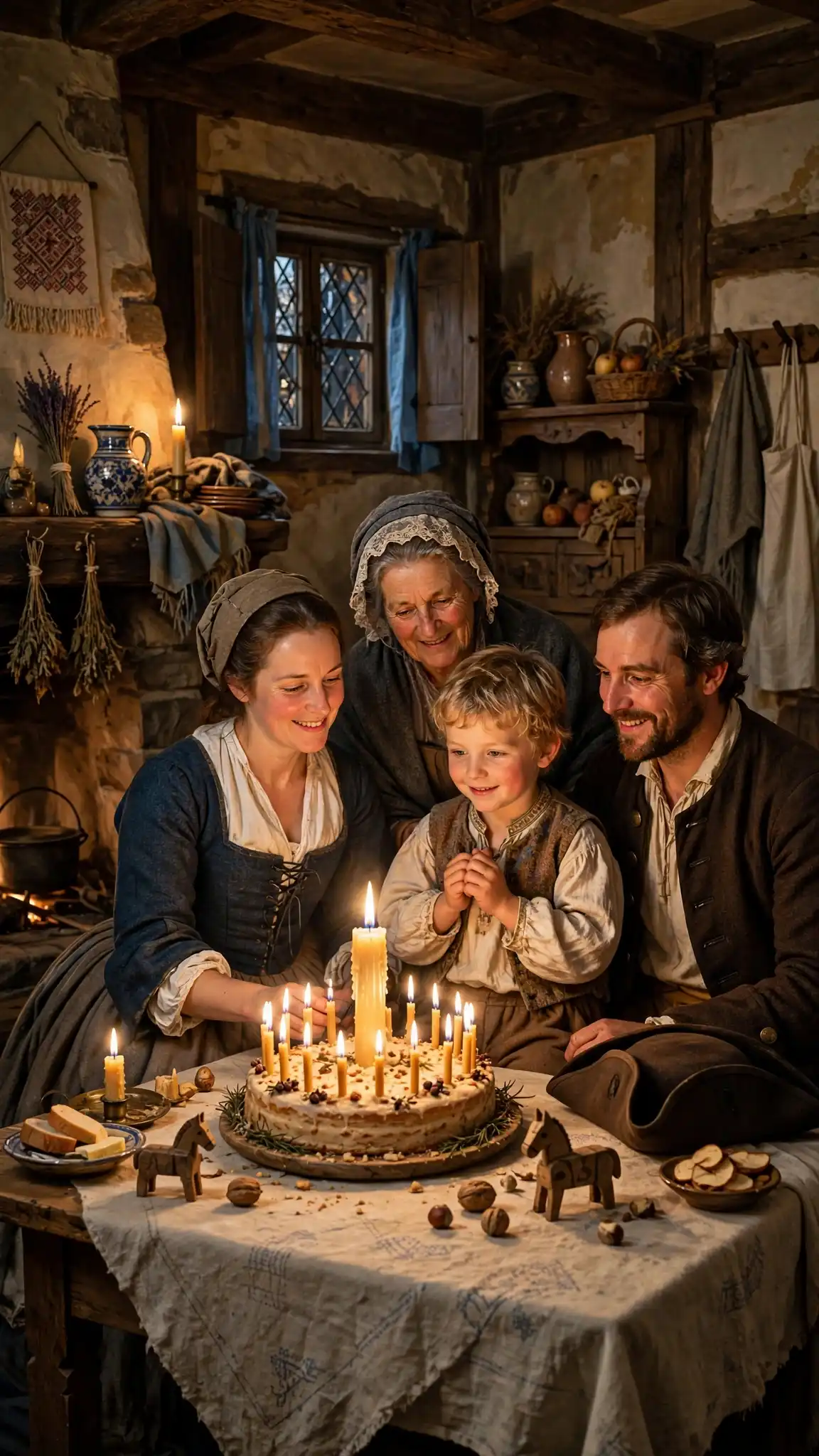
While the Greeks may have started the trend of lighting cakes, the modern version of the birthday candle tradition we recognize today is often credited to Germany.
In the 18th century, Germans celebrated children’s birthdays with a tradition called “Kinderfeste.”
A cake would be presented with candles representing the child’s age, plus one extra candle symbolizing the “light of life” — a wish for a long and healthy future.
🕯️ Did You Know? Kinderfeste candles burned all day long — from morning until after the evening meal, when the family finally made their wish together.
The candles were lit early in the morning and kept burning throughout the entire day, only to be blown out after the evening meal, once the family had gathered to make a wish together.
This custom slowly spread across Europe and eventually made its way to America, where it evolved into the quick candle-lighting-and-blowing ritual we know today.
Why Blowing Out the Candles Matters
So why do we blow the candles out instead of just letting them burn down? There are a few beliefs tied to this specific act:
Sends Wishes
Wards Off Spirits
Good Fortune
1. Sending wishes to the heavens As mentioned earlier, the smoke from the extinguished candle was believed to carry a person’s silent wish up to the gods or the universe. Blowing out the candle became symbolic of releasing that wish into the world.
2. Warding off evil spirits Many ancient cultures believed that evil spirits were especially active around birthdays, a time when a person was thought to be vulnerable.
The bright flicker of candlelight was thought to ward off these spirits, and the act of blowing them out in one breath was seen as a way to banish bad luck for the coming year.
🌬️ The Superstition: Blow out every candle in one breath, and your wish is said to come true.
3. A symbol of good fortune There’s also a widespread superstition that if you can blow out all the candles in a single breath, your wish is more likely to come true.
This adds a fun, almost game-like element to the tradition, especially for kids who take pride in extinguishing every last flame.
The Science Behind the Wish

Interestingly, psychologists suggest that the ritual of making a wish and blowing out candles serves a deeper emotional purpose too.
It’s a small, symbolic moment of reflection — a pause where a person can think about their hopes for the year ahead.
This little tradition gives people a sense of control and optimism, even if it’s just for a few seconds.
It’s also a moment of connection. Everyone gathers around, sings together, and watches the birthday person make their wish.
This shared moment fosters bonding and celebration, which is likely part of why the tradition has remained so popular across cultures and generations.
A Tradition That Keeps Evolving
Today, the candle-blowing ritual has taken on new forms. Some people opt for trick candles that keep relighting for fun, while others use battery-operated candles for safety reasons or environmental concerns.
Regardless of the format, the core idea remains the same: a moment to pause, wish for something meaningful, and celebrate another year of life.
Final Thoughts
What started as an offering to a moon goddess in ancient Greece transformed over centuries into a beloved birthday custom recognized around the world.
Whether you believe the smoke really carries wishes to the sky or you just enjoy the fun of blowing out candles surrounded by loved ones, this tradition remains a meaningful part of how we celebrate life, growth, and hope for the future.
So next time you find yourself in front of a candle-lit cake, take a moment to appreciate just how much history is packed into that one simple breath.