What Is a Junk Journal Used For?

If you have ever seen a thick, textured notebook stuffed with old postcards, ribbon scraps, ticket stubs, and handwritten notes, you have probably stumbled across a junk journal.
At first glance, it might look like a scrapbook that got a little too enthusiastic. But a junk journal is its own creative world, and once you understand what it is actually used for, you may find yourself wanting to start one.
📖 In Simple Words
A junk journal is a handmade book built from recycled scraps — old paper, fabric, tickets — turned into something beautiful. “Junk” refers to the materials, not the value!
What Exactly Is a Junk Journal?
A junk journal is a handmade book created mostly from recycled or repurposed materials.
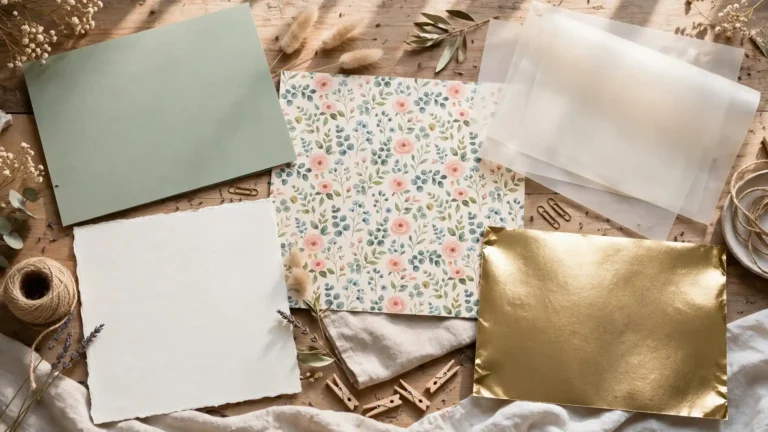
Instead of buying pristine blank paper, journalers use things that might otherwise be thrown away: old book pages, envelopes, maps, sheet music, fabric scraps, tea-stained paper, wrapping paper, and even bits of packaging.
The pages are usually bound together by hand, and the finished journal has a layered, textured, well-loved look before a single word is written in it.
The word “junk” doesn’t mean the finished product is worthless. It refers to the humble, everyday materials used to build it.
In fact, junk journals are often treasured far more than store-bought notebooks because every page carries a bit of history and personality.
The Many Uses of a Junk Journal
👇 Scroll down to explore all 7 uses in detail
1. A Creative Outlet
For many people, the main purpose of a junk journal is simply the joy of making it. Cutting, layering, gluing, stitching, and decorating pages is a relaxing, hands-on hobby.
There is no pressure to create something perfect. Every torn edge or mismatched pattern adds character rather than detracting from it.
2. Memory Keeping
Junk journals are a favorite tool for preserving memories. People fill them with photographs, movie tickets, pressed flowers, travel brochures, and handwritten notes from special days. Unlike a digital photo album, a junk journal is tactile.
You can flip through it, touch the paper, and feel connected to the moment it represents in a way a screen simply cannot offer.
💡 Tip: Save movie tickets, receipts, or handwritten notes for a week — you’ll be surprised how many memory-keeping pages you can build from just one week’s “junk.”
3. Journaling and Reflection
Some use junk journals the way others use a diary. They write down thoughts, goals, gratitude lists, or daily reflections on the recycled pages.
The visual richness of the background material can even inspire what gets written. A page made from an old letter might prompt a memory. A page with faded floral wallpaper might inspire a poem.
4. Art and Mixed Media Practice
Artists often use junk journals as a low-stakes place to experiment. Because the materials are inexpensive or free, there is little fear of “ruining” anything.
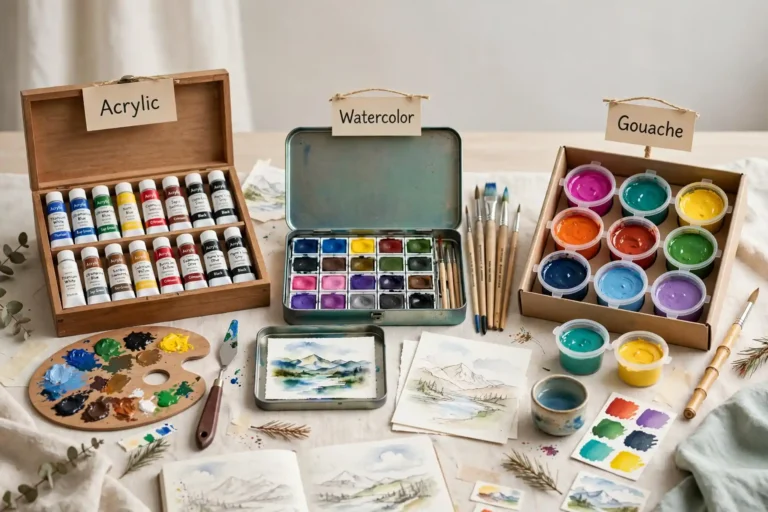
This makes junk journals perfect for practicing techniques like watercolor, stamping, collage, hand lettering, or stenciling. It becomes a sketchbook and a canvas at the same time.
5. Gift Making
A handmade junk journal can be a deeply personal gift. Someone might create one filled with shared memories for a friend’s birthday, a travel-themed journal for someone about to go abroad, or a nostalgic journal made from a loved one’s old letters and keepsakes after they pass away.
The sentimental value of a junk journal often outweighs anything bought in a store.
6. Planning and Organizing
While less common than the artistic uses, some people repurpose junk journals as planners or organizers.
The extra pockets created from envelopes and folded paper are perfect for storing loose notes, stamps, or small memorabilia, making the journal functional as well as beautiful.
7. Storytelling and Themed Projects
Many junk journalers build their books around a theme: a garden journal, a beach vacation journal, a fairy tale-inspired journal, or a seasonal journal for autumn or winter.
These themed journals become miniature storytelling projects, blending images, textures, and words into a cohesive narrative.
Why People Love Junk Journals
📔 Junk Journal
Handmade, personal, eco-friendly, low-cost, full of texture and story.
📓 Regular Notebook
Store-bought, uniform pages, no personal history, purely functional.
Part of the appeal of junk journals is sustainability. Rather than tossing old greeting cards, magazines, or packaging into the recycling bin, crafters give them a second life. This makes junk journaling an eco-friendly hobby that turns “trash” into treasured art.
Another reason for their popularity is accessibility. You do not need expensive supplies to start a junk journal.
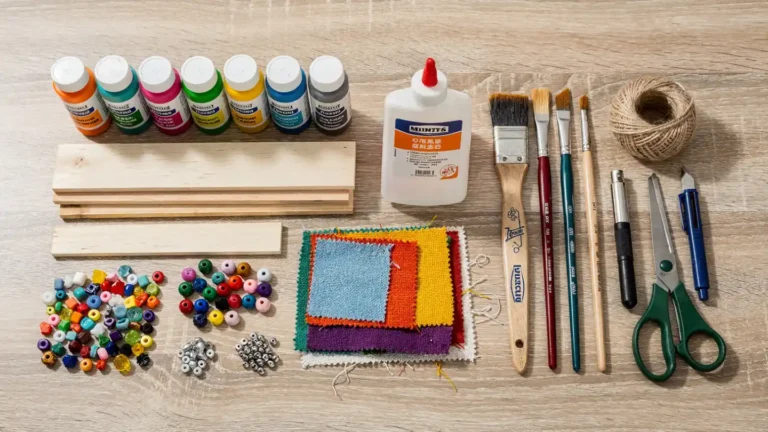
A glue stick, some scissors, and a stack of paper scraps from around the house are enough to begin. This low barrier to entry makes it a hobby almost anyone can pick up.
Finally, junk journals offer something increasingly rare in a digital world: a slow, mindful, screen-free creative practice.
The process of cutting, arranging, and gluing encourages patience and presence, offering a calming break from fast-paced daily life.
Getting Started With Your Own Junk Journal
✅ Quick Start Checklist
- Collect scrap paper, old letters, or fabric
- Fold or stitch pages together
- Add your first photo or note
- Keep adding a little at a time
If you are curious about trying it yourself, start small. Gather a handful of interesting papers you already have at home, fold and stitch or staple them together, and simply begin adding to it a little at a time.
There is no wrong way to make a junk journal. The beauty lies in its imperfections and the personal story it tells.
Whether used for memory keeping, artistic expression, gift giving, or quiet reflection, a junk journal proves that creativity does not require anything fancy. Sometimes the most meaningful projects are built from the things we almost threw away.